What is Airway Management?
Airway management is the process of ensuring that a patient's airway is open, clear, and unobstructed. This is crucial in emergency medical care, surgeries, and critical care settings to guarantee that the patient can breathe properly. Airway management techniques are designed to prevent suffocation and ensure that oxygen reaches the lungs effectively. It is a cornerstone of life-saving procedures, especially in cases of trauma, cardiac arrest, or respiratory failure.
The Importance of Airway Management
The ability to maintain a clear airway is fundamental to patient survival. The respiratory system is responsible for oxygenating the body, and even brief interruptions in this process can lead to life-threatening complications. A blocked or obstructed airway can quickly lead to hypoxia (low oxygen levels) and, if not addressed promptly, result in brain damage, cardiac arrest, or even death.
In emergency situations, airway management can be the difference between life and death. In hospitals, it plays an integral role in preoperative, postoperative, and critical care settings, as well as in the management of chronic conditions such as asthma and COPD (Chronic Obstructive Pulmonary Disease).
Airway Management Techniques
Various techniques are employed in airway management depending on the situation and severity of the airway obstruction. Some of the most common methods include:
- Head-Tilt, Chin-Lift: This maneuver is used to open the airway in unconscious patients. By tilting the head back and lifting the chin, the tongue is moved away from the back of the throat, preventing airway obstruction.
- Jaw-Thrust: This technique is used if a neck injury is suspected. Instead of tilting the head back, the jaw is thrust forward to open the airway while minimizing spinal movement.
- Oropharyngeal Airway (OPA): This device is inserted into the patient's mouth to help maintain an open airway by preventing the tongue from blocking the throat.
- Nasopharyngeal Airway (NPA): Similar to the OPA, the NPA is inserted through the nostril and into the back of the throat, providing an open airway without obstructing the mouth.
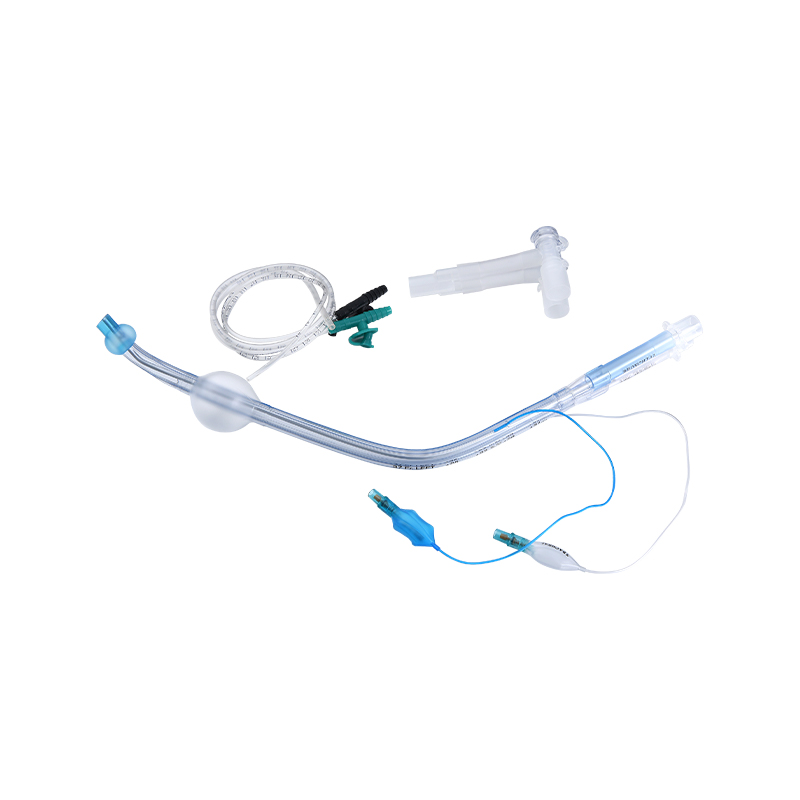
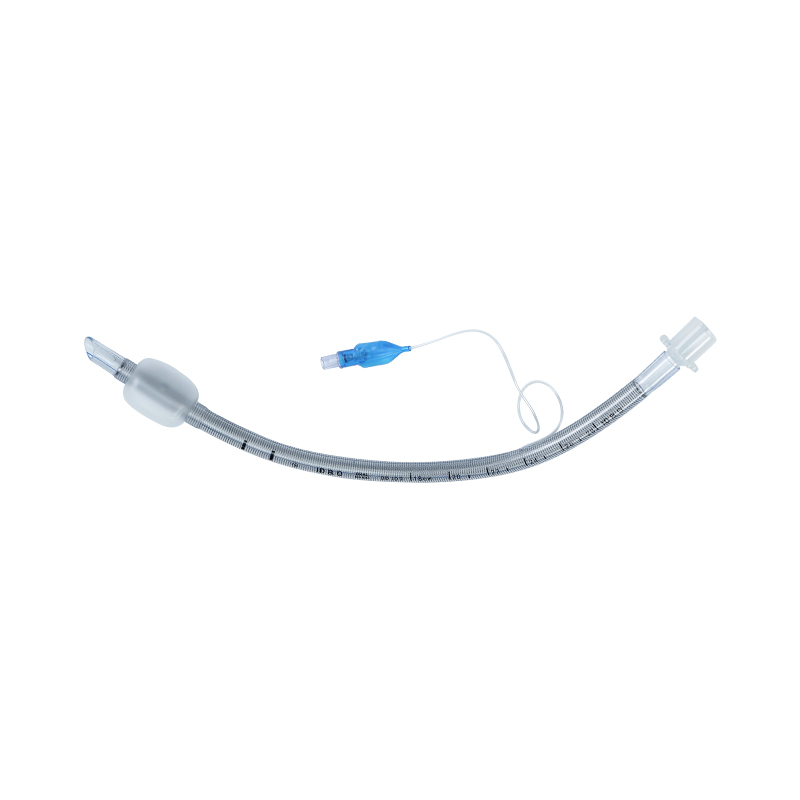
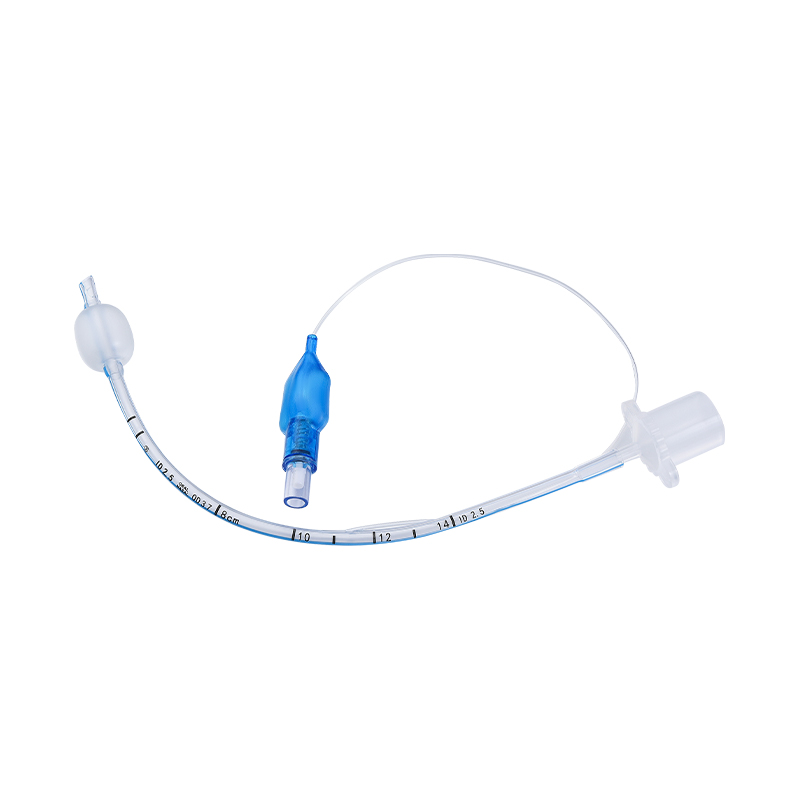
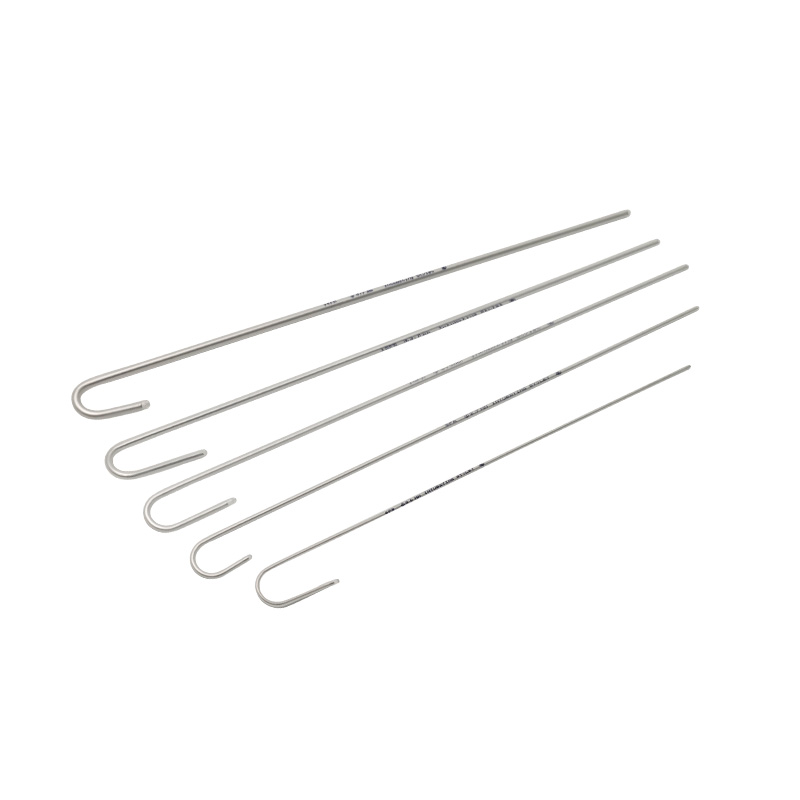
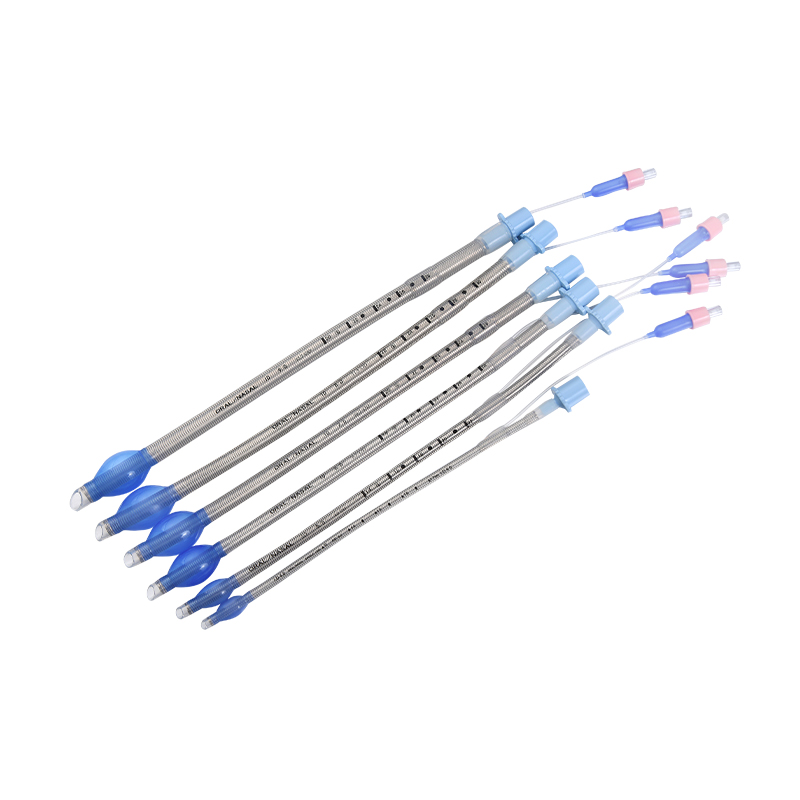
- Endotracheal Intubation: This advanced technique involves inserting a tube through the patient's mouth or nose into the trachea to ensure the airway remains open, particularly for patients requiring mechanical ventilation.
- Tracheostomy: In cases of severe airway obstruction or long-term ventilation needs, a surgical procedure may be performed to create an opening directly in the trachea to allow airflow.
Indications for Airway Management
Airway management is necessary in various medical situations. Some of the key indications for airway intervention include:
- Trauma: Injuries to the head, neck, or chest can obstruct the airway and require immediate attention to ensure the patient can breathe.
- Cardiac Arrest: When the heart stops, it is crucial to ensure an open airway to facilitate resuscitation and oxygenation.
- Respiratory Failure: Conditions such as asthma, COPD, or pneumonia can cause severe respiratory distress and may necessitate airway management to maintain oxygenation.
- Obstruction: Foreign body aspiration or swelling in the airway (e.g., due to an allergic reaction) can block the airway, requiring immediate intervention.
- Surgical Procedures: Many surgical procedures require the patient to be placed under anesthesia, necessitating airway management to maintain ventilation and oxygenation during the operation.
Challenges in Airway Management
Despite the availability of various techniques and tools for airway management, several challenges can arise during the process:
- Anatomical Variability: Patients may have unique anatomical challenges, such as a small mouth or enlarged tonsils, which can make certain airway management techniques more difficult.
- Obesity: Obese patients often have increased fatty tissue in the neck, which can make airway access more challenging and increase the risk of obstruction.
- Trauma and Injury: Injuries to the neck or face can complicate airway management, particularly when spinal injuries are suspected.
- Improper Technique: Airway management is a skill that requires proper training and experience. Missteps, such as improper placement of devices or incorrect ventilation techniques, can lead to serious complications.
- Patient Resistance: In some cases, patients may exhibit resistance to airway interventions, especially if they are conscious, which can make the procedure more difficult.
Technological Advances in Airway Management
Over the years, advancements in technology have enhanced airway management techniques and devices, making it easier to ensure a secure airway. Some notable technological advancements include:
- Video Laryngoscopy: This technology provides real-time video images of the airway, allowing healthcare providers to see the airway more clearly and place an endotracheal tube more effectively.
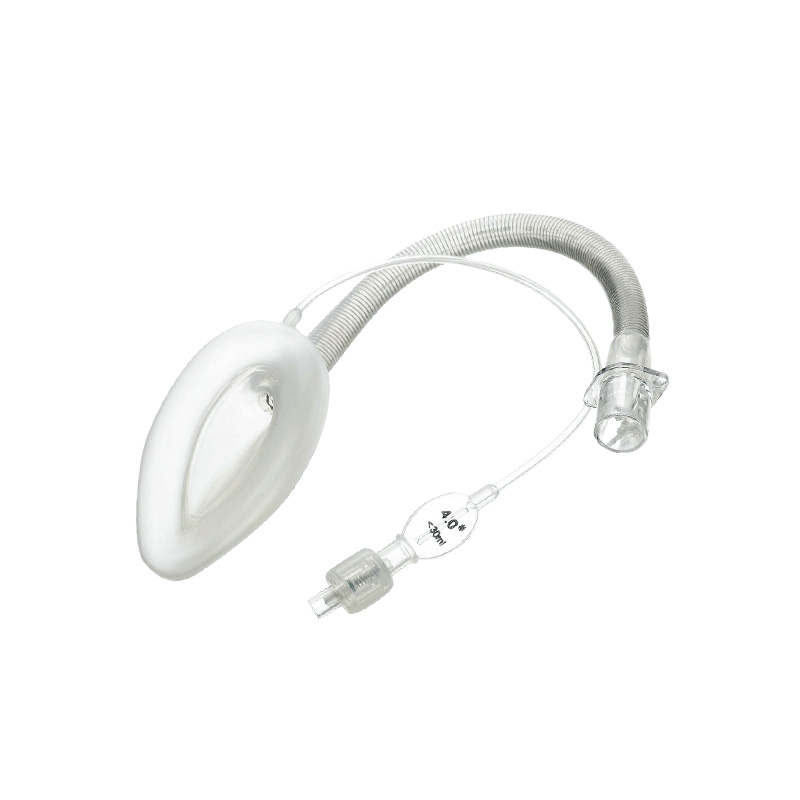
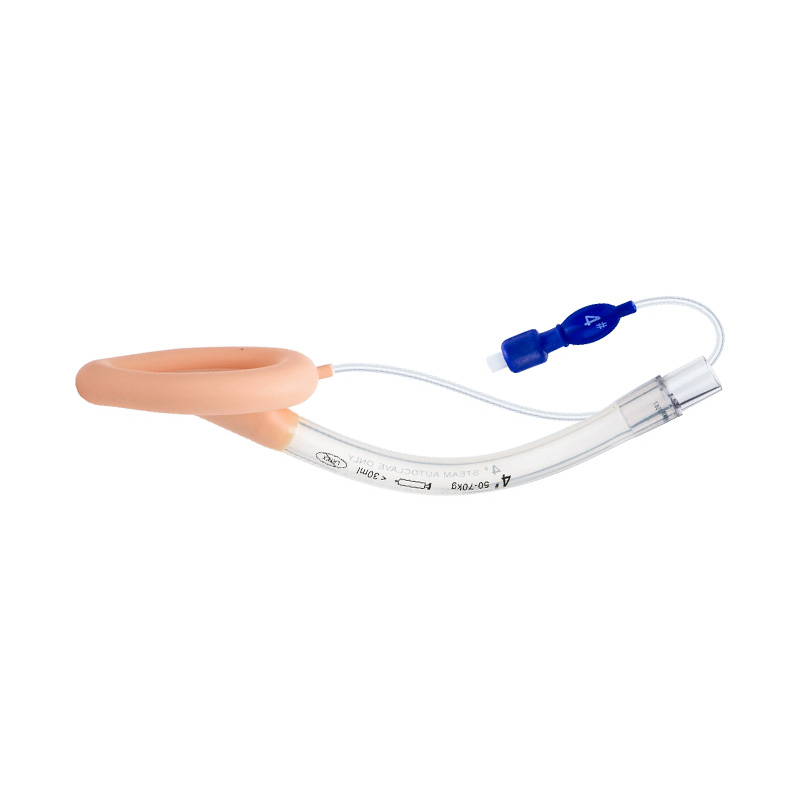
- Supraglottic Airway Devices: These devices, which are inserted into the airway without the need for endotracheal intubation, are becoming increasingly popular for use in emergencies, as they are faster and easier to insert.
- High-Flow Nasal Cannulas: Used to provide high levels of oxygen therapy, these devices help in patients with respiratory distress or those who need supplemental oxygen.



 OEM Anesthesia Respiratory Consumables Manufacturers
 中文简体
中文简体 English
 Español
 русский
 عربى
عربى