

Contact Us
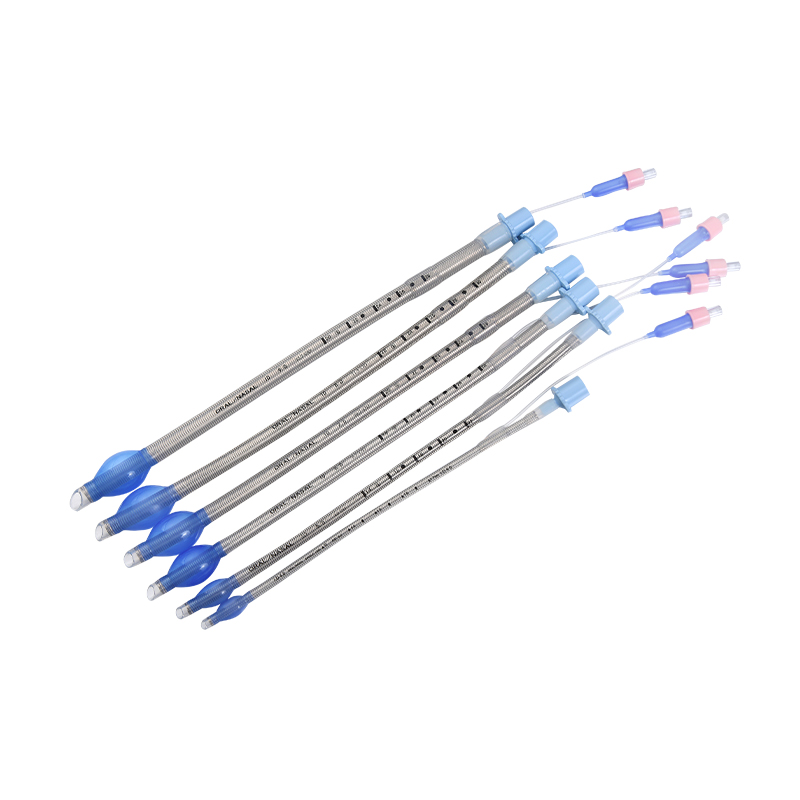
Endotracheal tubes are essential medical devices used to maintain an open airway in patients requiring mechanical ventilation, anesthesia, or emergency airway management. The design and functionality of these tubes significantly influence the success of intubation and patient safety. Modern endotracheal tubes have evolved beyond simple hollow tubes to include features that assist with proper placement and reduce procedural complications. Key design elements such as guiding devices and heated, flexible structures are increasingly integrated to enhance performance in varied clinical scenarios.
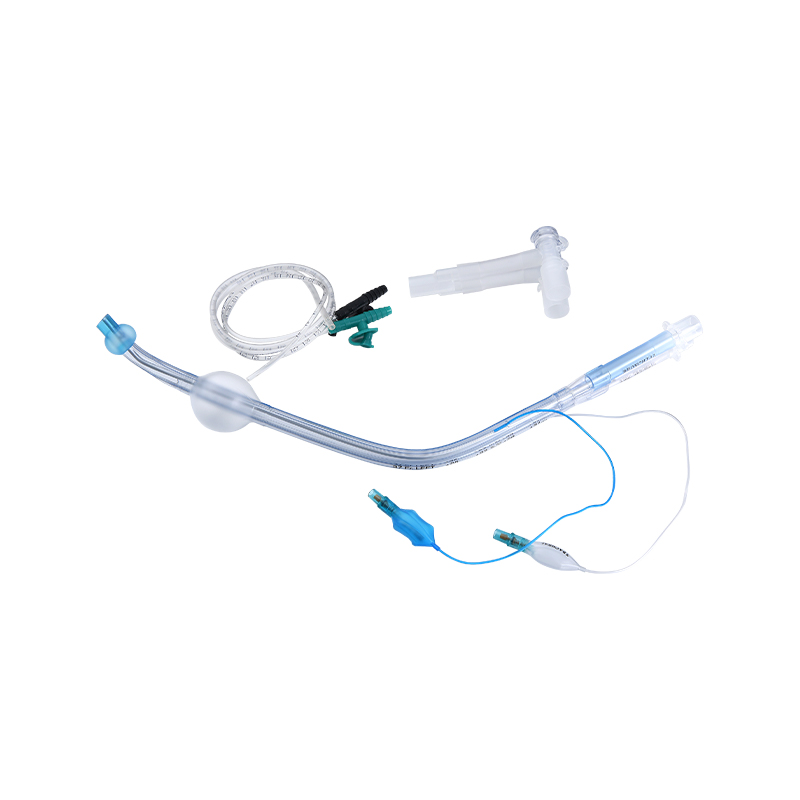
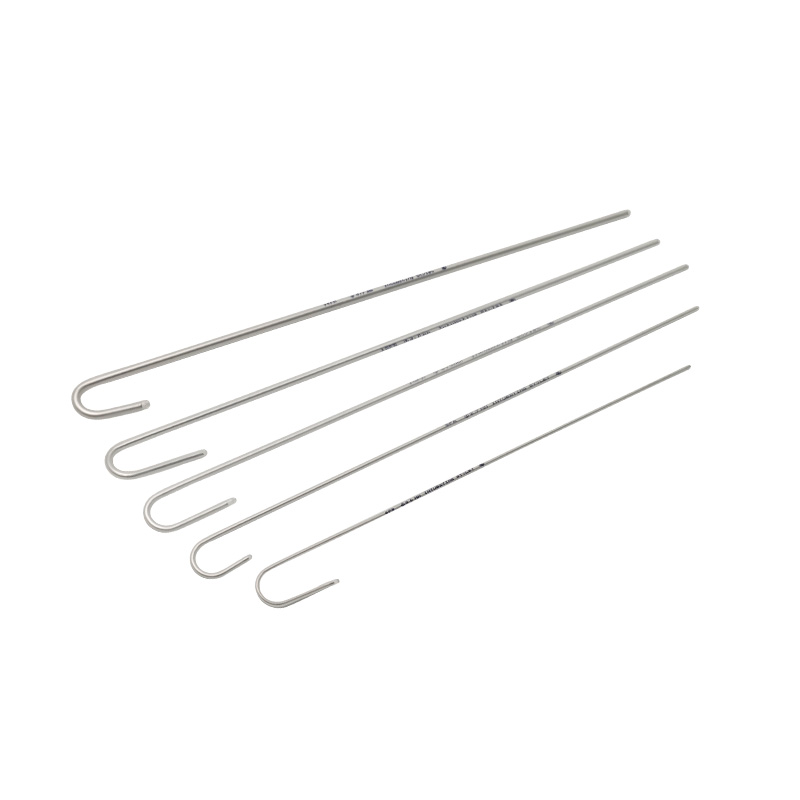
Guiding devices are critical in ensuring accurate placement of endotracheal tubes. They provide structural support and directional control during intubation, reducing the risk of misplacement or trauma to the airway. Common guiding mechanisms include stylets, which are rigid or semi-rigid rods inserted into the tube to allow precise bending and navigation, and integrated guiding channels compatible with visual laryngoscopy systems.
Using guiding devices allows clinicians to achieve smoother intubation, especially in patients with difficult airways or anatomical variations. The presence of a guiding device improves the predictability of tube trajectory and reduces the likelihood of repeated attempts, which can cause tissue irritation or airway edema. In specialized tubes like double-lumen bronchial or visual endotracheal tubes, the guiding system is often integrated with a visual feedback mechanism for enhanced accuracy.
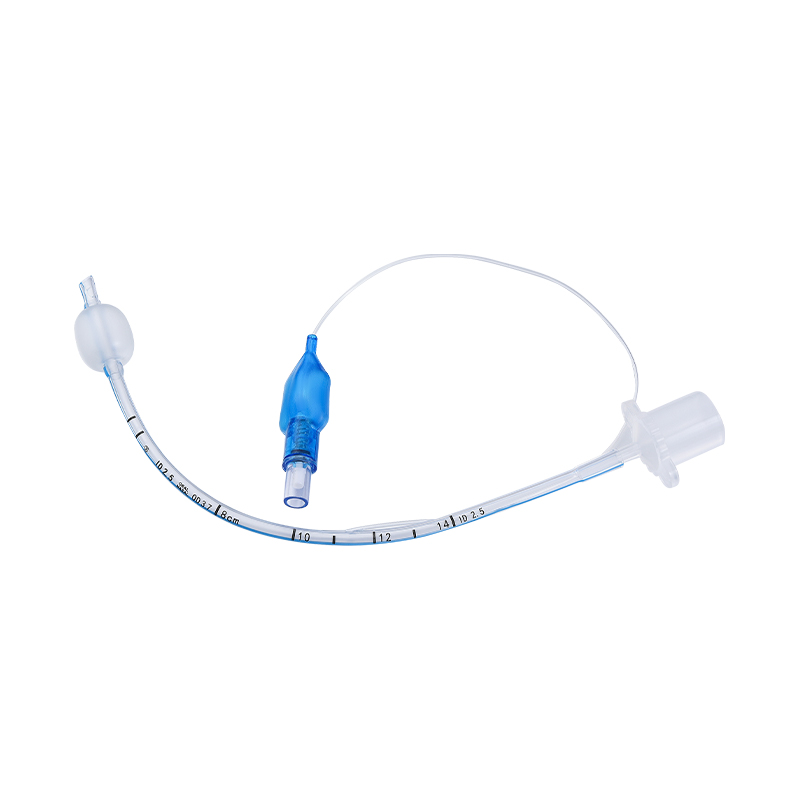
Flexible designs in endotracheal tubes enhance maneuverability within the airway while maintaining lumen patency. Flexible tubes are easier to advance past anatomical obstacles such as the vocal cords, epiglottis, and pharyngeal curves. Some tubes incorporate heated elements or temperature-sensitive materials that respond to body heat, softening the tube to better conform to airway anatomy. This feature reduces friction and mechanical resistance during insertion.
Heated, flexible designs also help minimize trauma and improve patient comfort. In long-duration intubations or in procedures where repeated adjustments are required, tubes that adapt to the airway's shape prevent excessive pressure on mucosal surfaces. This is especially relevant in pediatric or neonatal patients, where airway structures are more delicate and susceptible to damage.
Modern endotracheal tubes are often designed to integrate with visual intubation devices, including fiberoptic scopes and video laryngoscopes. The combination of guiding devices and flexible, adaptive tube designs allows clinicians to navigate the airway under direct visualization, reducing blind insertion risks. These systems are particularly useful in complex cases such as cervical spine injury, airway obstruction, or abnormal airway anatomy.
The integration of visual feedback with flexible tubes also facilitates training for medical personnel. Novice practitioners can observe tube placement in real time, making adjustments guided by visual cues while relying on the tube's inherent flexibility and support from guiding mechanisms. This combination improves overall success rates and reduces procedure-related complications.
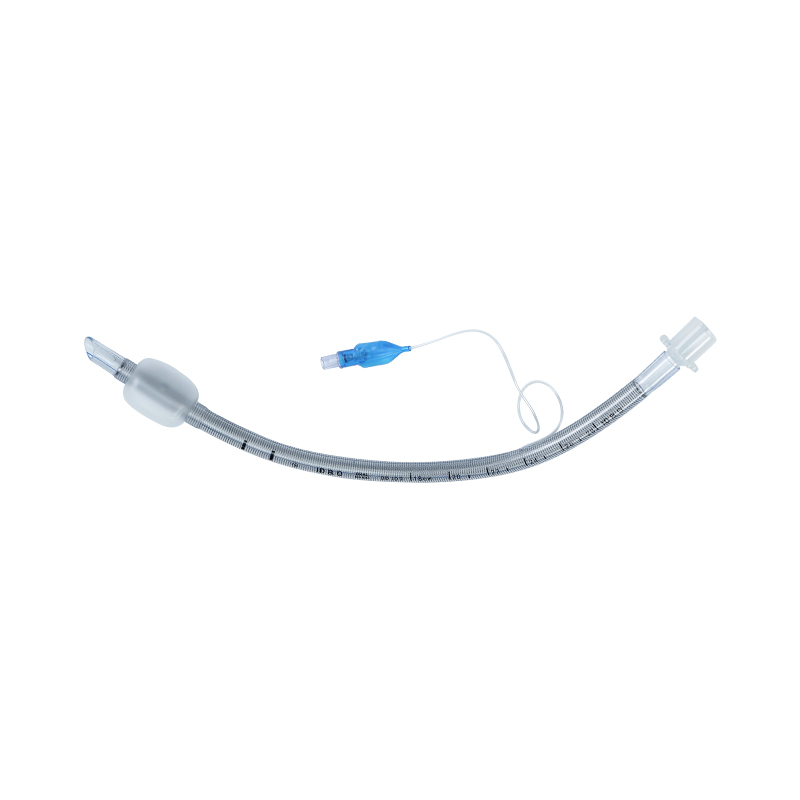
The materials used in endotracheal tubes influence their flexibility, heat responsiveness, and compatibility with guiding devices. Silicone, PVC, and specialized polymers are commonly used to achieve a balance of rigidity for guidance and pliability for safe navigation through the airway. Double-lumen or bronchial tubes may include reinforced sections to prevent kinking while maintaining flexibility in distal portions.
Table summarizing design features and their functional benefits:
| Design Feature | Functional Benefit |
| Guiding device (stylet or integrated channel) | Ensures accurate tube placement, reduces repeated attempts |
| Flexible distal tip | Adapts to airway curves, reduces trauma |
| Heated or temperature-sensitive material | Softens in situ for smoother insertion, improves patient comfort |
| Integration with visual systems | Allows direct observation, increases placement accuracy |
| Reinforced sections | Prevents kinking while maintaining navigability |
Advanced endotracheal tube designs are particularly valuable in scenarios such as difficult airway management, long-term mechanical ventilation, and surgeries requiring repeated airway access. Patients with obesity, airway edema, trauma, or anatomical anomalies benefit from tubes with flexible and guided structures. Heated, flexible tubes reduce the risk of mucosal damage and improve overall safety during intubation.
In emergency and critical care settings, the combination of guiding devices and flexible designs allows rapid and reliable airway establishment. Tubes compatible with visual feedback devices support precise interventions and facilitate monitoring of placement throughout procedures.
Proper handling and maintenance of endotracheal tubes with integrated guiding or heated elements are essential to ensure performance and longevity. Sterilization protocols, careful insertion techniques, and avoidance of overbending the tube are critical. Single-use or disposable tubes are common in many hospitals to maintain hygiene and minimize infection risks, while reusable models require thorough cleaning and inspection to preserve their guiding and flexible properties.
Understanding material limitations and environmental factors such as temperature and humidity helps clinicians optimize tube performance. Correct storage and handling prevent deformation of guiding devices and maintain the tube’s adaptive properties.
The inclusion of guiding devices and heated, flexible designs in endotracheal tubes substantially enhances the ease and safety of intubation. By combining structural support, adaptability to airway anatomy, and compatibility with visual guidance systems, these tubes address a wide range of clinical challenges. Material selection, integration of flexible and temperature-sensitive components, and proper handling further ensure that the tube functions reliably, minimizes trauma, and supports successful airway management in diverse patient populations.

Building 16, Shengrong Microenterprise Park, Mazhu Town, Yuyao City, Zhejiang Province, China

Tel: +86-0574-66668898

E-mail: [email protected]
Copyright © Ningbo Yuxin Medical Equipment Co., Ltd. All Rights Reserved.
 OEM Anesthesia Respiratory Consumables Manufacturers
The information provided on this website is intended for use only in countries and jurisdictions outside of the People's Republic of China.
 中文简体
中文简体 English
 Español
 русский
 عربى
عربى