

Contact Us
Anesthesia masks are essential medical devices used in the administration of anesthesia to patients during surgical or diagnostic procedures. These masks are designed to provide a controlled and safe way to deliver inhalational anesthetics, oxygen, and other gases to patients. The mask covers the nose and mouth of the patient, ensuring a continuous and stable supply of anesthetic gases throughout the procedure.
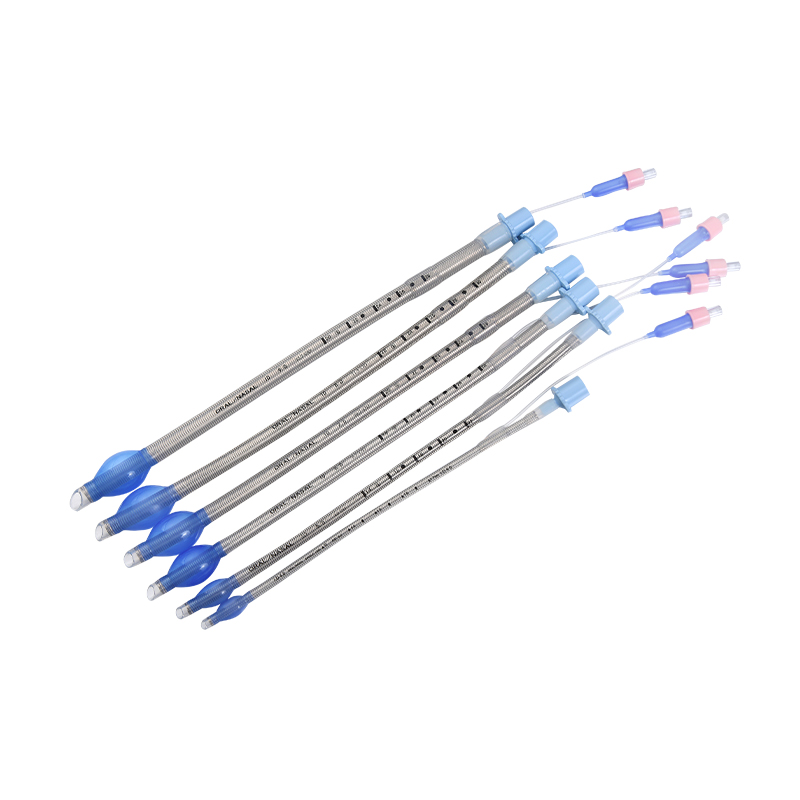
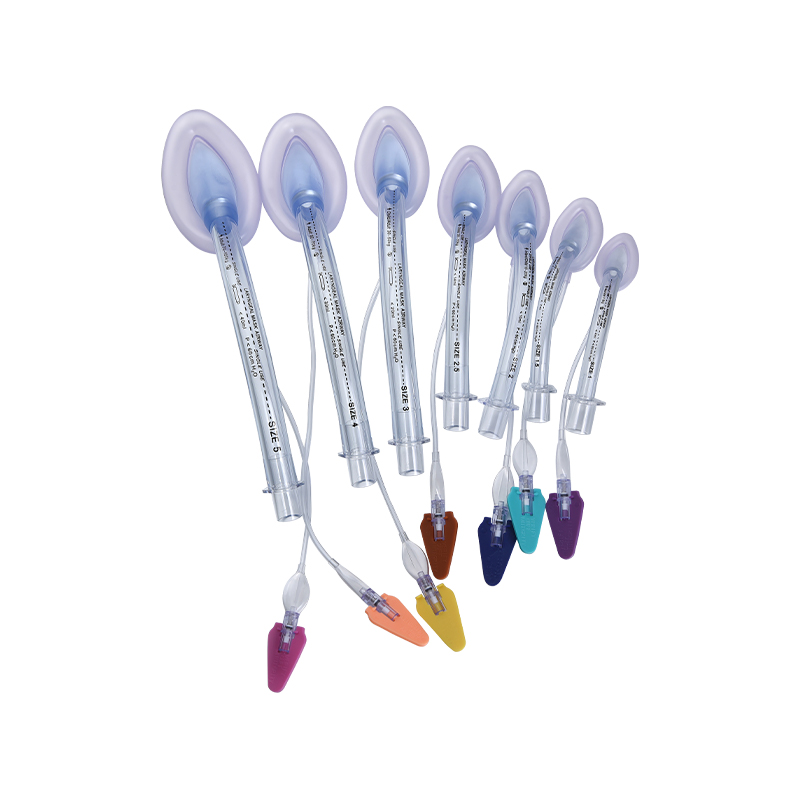
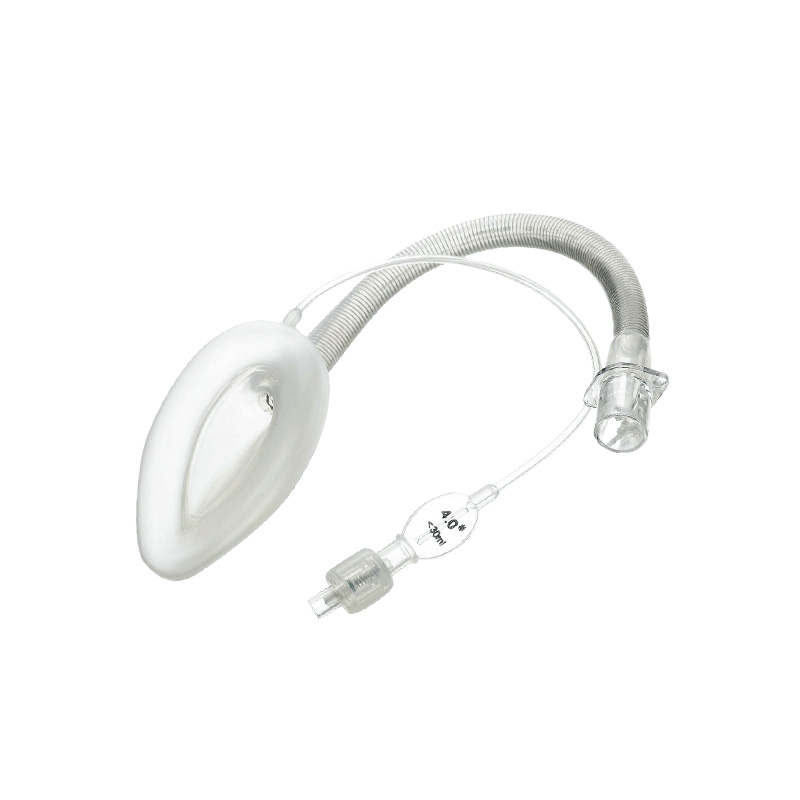
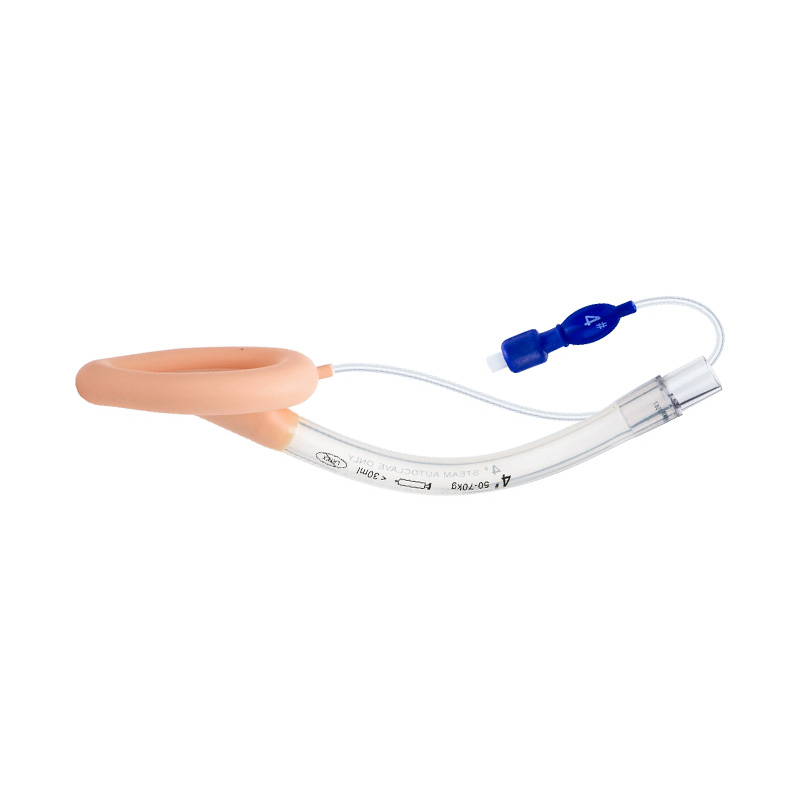
There are several different types of anesthesia masks, each designed for specific applications and patient needs. The most common types include the traditional anesthesia mask, laryngeal mask airway (LMA), and the face mask with an integrated airway. Each of these masks serves the purpose of delivering anesthetic gases and oxygen effectively, but their design and usage vary depending on the patient's condition and the procedure being performed.
The primary function of an anesthesia mask is to deliver a precise mixture of gases to the patient. This mixture typically consists of oxygen (O2) and an inhalational anesthetic agent, such as sevoflurane, isoflurane, or desflurane. The mask is connected to an anesthesia machine, which controls the flow of gases and allows for accurate delivery. The mask forms a seal around the patient's nose and mouth, preventing the escape of the gases while ensuring the patient is breathing in the anesthetic mixture. This process helps induce and maintain anesthesia during surgery or other medical interventions.
Anesthesia masks work by facilitating the controlled delivery of anesthetic gases and oxygen to the patient’s respiratory system. The process begins when the patient is fitted with the mask. The mask creates a seal around the nose and mouth, ensuring that the gases flow directly into the respiratory tract without leakage. The anesthesia machine is then adjusted to deliver the correct concentration of anesthetic agents mixed with oxygen.
As the patient inhales, the anesthetic gases are absorbed into the bloodstream through the lungs. These gases act on the brain and nervous system to induce and maintain a state of unconsciousness, relaxation, and analgesia, which is essential for the success of many surgical procedures. The mask allows for continuous monitoring and adjustment of the gas mixture to ensure that the patient remains adequately anesthetized and does not experience discomfort during the procedure.
Anesthesia masks are typically made up of several key components that work together to ensure proper functioning. These components include the mask itself, a gas inlet port, a cuff, and a strap. The mask itself is usually made from soft, flexible materials such as silicone or rubber, which conform to the shape of the patient's face and help create a tight seal. The gas inlet port connects the mask to the anesthesia machine, allowing for the delivery of the anesthetic mixture.
The cuff, found on some masks, is designed to provide a better seal and prevent gas leakage. It is typically inflated with air to expand and conform to the shape of the patient’s face, improving the mask’s fit. Finally, the strap is used to hold the mask in place, ensuring that it remains secure throughout the procedure. This allows the anesthetist to focus on other aspects of the anesthesia management without worrying about the mask shifting or dislodging.
One of the key aspects of anesthesia masks is their ability to deliver gas safely and accurately to the patient. The anesthesia machine connected to the mask is calibrated to control the flow of gases precisely. The anesthetic agents used in the mask are volatile liquids, which are vaporized and mixed with oxygen to create a breathable gas mixture. The amount of anesthetic gas delivered is carefully controlled to ensure that the patient remains unconscious and free from pain during the procedure.
Additionally, modern anesthesia machines are equipped with advanced safety features such as gas flow monitors and alarms. These features allow the anesthetist to continuously monitor the concentration of gases being delivered and make any necessary adjustments. The mask itself also plays a crucial role in ensuring that the patient receives the correct amount of gas. A properly fitting mask ensures that the anesthetic mixture is delivered efficiently, while a poor fit can lead to gas leakage, reducing the effectiveness of the anesthesia.
Anesthesia masks offer several key benefits in modern medical practice. One of the primary advantages is the ease of use. Unlike other methods of administering anesthesia, such as endotracheal intubation, anesthesia masks do not require the insertion of a tube into the patient’s airway. This makes them a less invasive and quicker option for many procedures, especially in patients who may not require deep anesthesia or for short-duration surgeries.
Another benefit is the ability to control the depth of anesthesia. Anesthesia masks allow the anesthetist to adjust the concentration of gases being delivered in real-time, ensuring that the patient remains at the desired level of sedation or unconsciousness. This is especially important during surgeries that require precise levels of anesthesia, as it helps prevent under- or over-sedation.
While anesthesia masks are an effective and widely used method for delivering anesthesia, they do have some limitations. One challenge is ensuring a proper fit for all patients. The mask needs to form a tight seal around the patient’s nose and mouth, and this can be difficult in certain situations. For example, patients with facial hair, unusual facial structures, or smaller airways may present a challenge for mask placement. In such cases, alternative methods of airway management, such as endotracheal intubation or laryngeal mask airways, may be considered.
Another challenge is the potential for gas leakage. If the mask is not fitted properly or if the seal is compromised during the procedure, the anesthetic gases can leak out, reducing their effectiveness and potentially causing complications. This is why it is essential for the anesthetist to continuously monitor the mask’s fit and the gas flow to ensure proper administration of anesthesia.
Recent advancements in anesthesia mask technology have focused on improving both the comfort and safety of the patient. One notable development is the use of masks with improved ergonomics and flexible materials. These masks are designed to provide a better fit for a wide range of facial shapes and sizes, reducing the risk of leakage and improving overall comfort for the patient.
Additionally, modern anesthesia masks are often designed with transparent materials, allowing the anesthetist to easily monitor the patient’s breathing and airway condition during the procedure. Some newer masks are also equipped with built-in pressure monitoring systems that alert the anesthetist if there is a problem with the airway or gas delivery system. These advancements help ensure that anesthesia is administered safely and efficiently, minimizing the risk of complications.

Building 16, Shengrong Microenterprise Park, Mazhu Town, Yuyao City, Zhejiang Province, China

Tel: +86-0574-66668898

E-mail: [email protected]
Copyright © Ningbo Yuxin Medical Equipment Co., Ltd. All Rights Reserved.
 OEM Anesthesia Respiratory Consumables Manufacturers
The information provided on this website is intended for use only in countries and jurisdictions outside of the People's Republic of China.
 中文简体
中文简体 English
 Español
 русский
 عربى
عربى