中文简体
中文简体 English
 Español
 русский
 عربى
عربى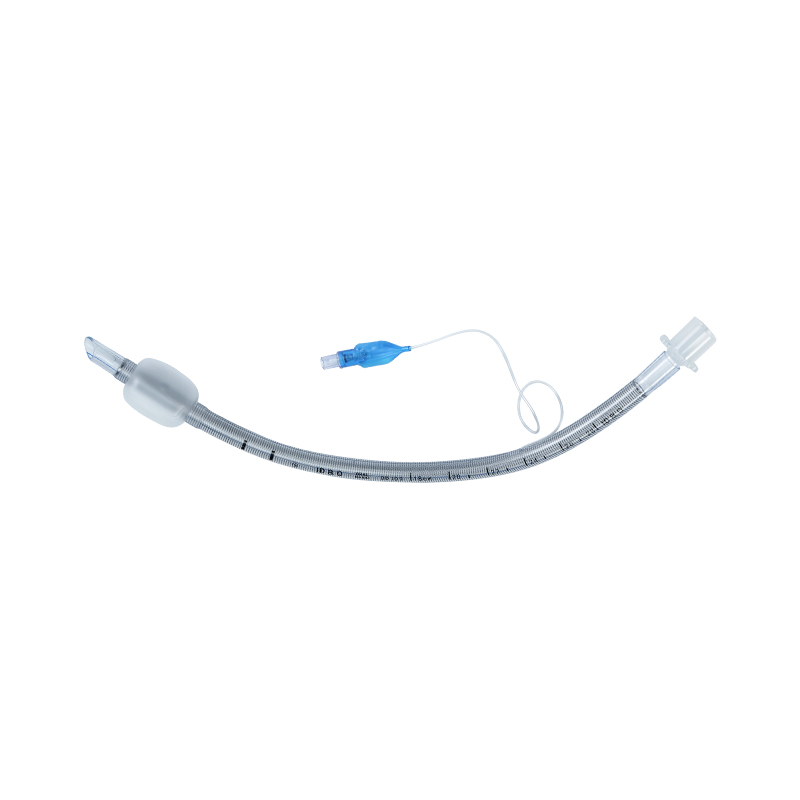
Endobronchial Tube
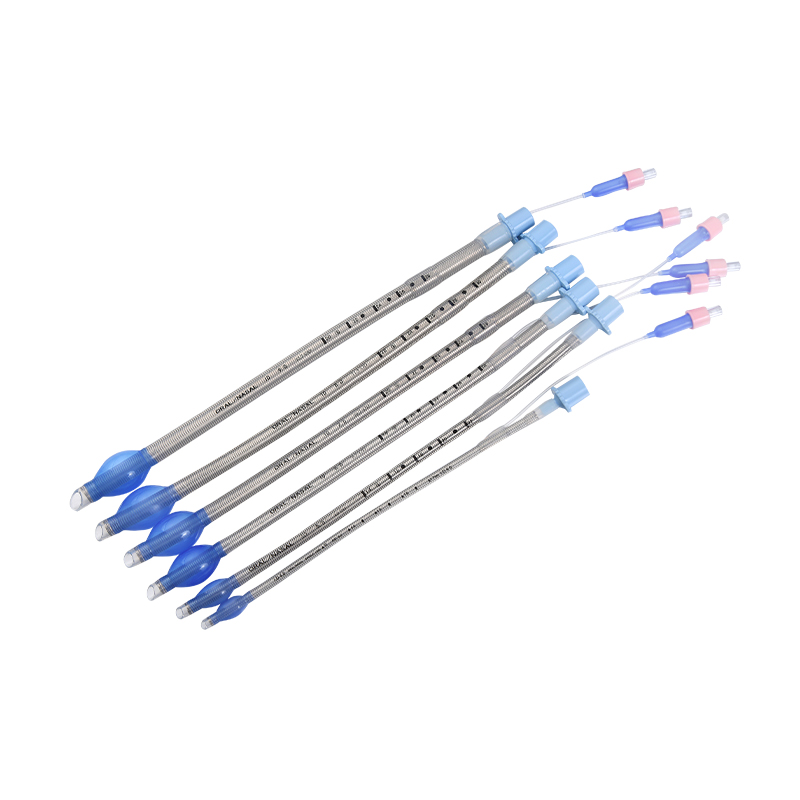
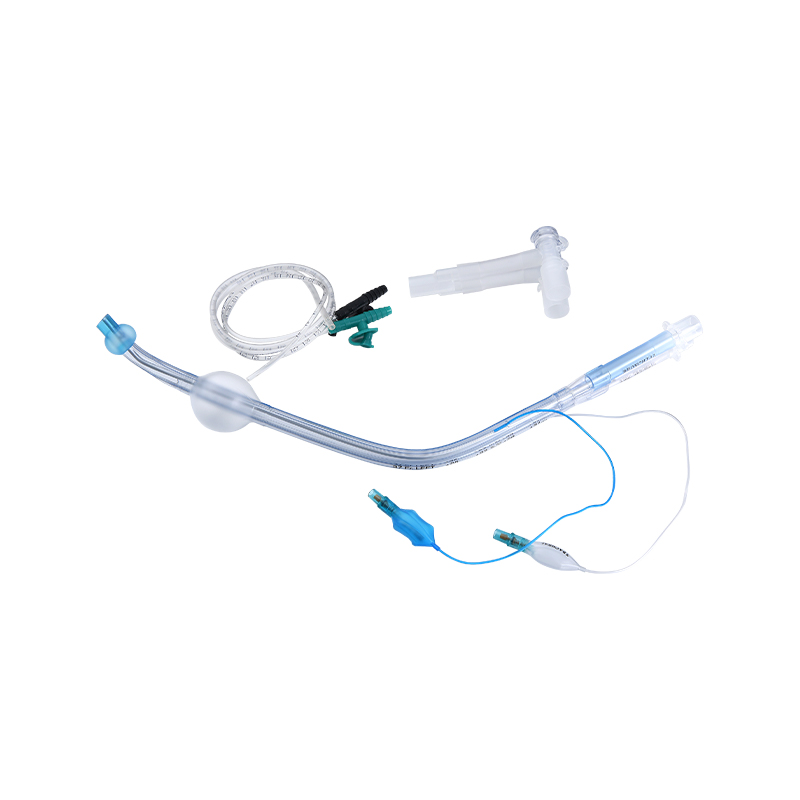
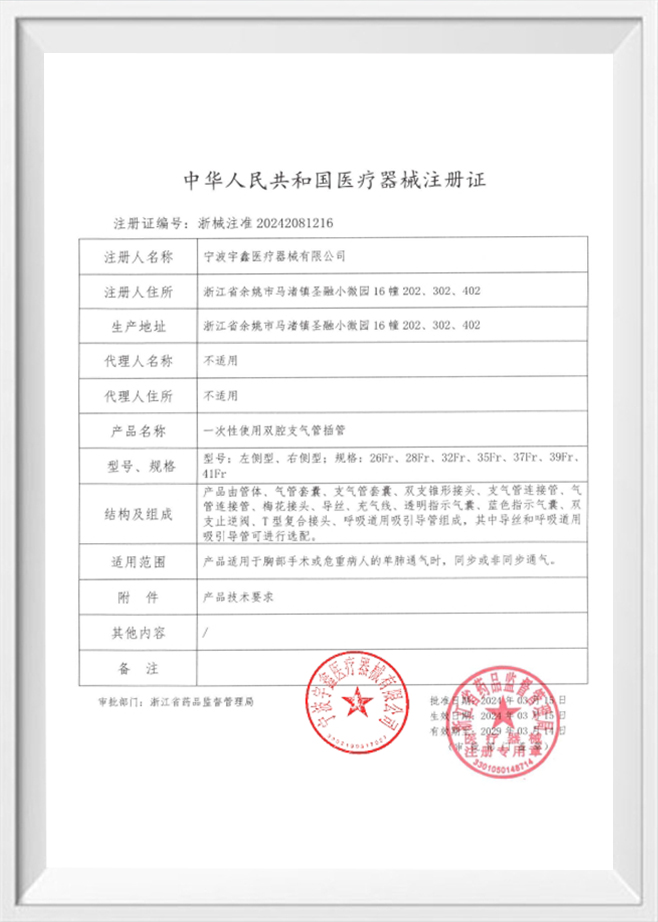
Endobronchial Tube (also called double-lumen endotracheal tube)is an endotracheal tube designed to i...
CONTACT US



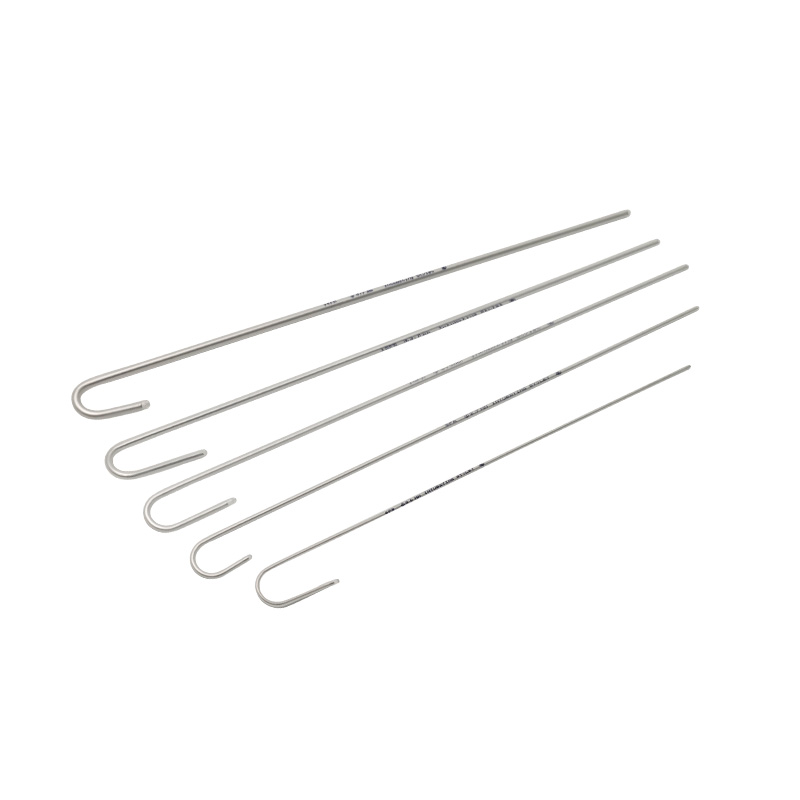
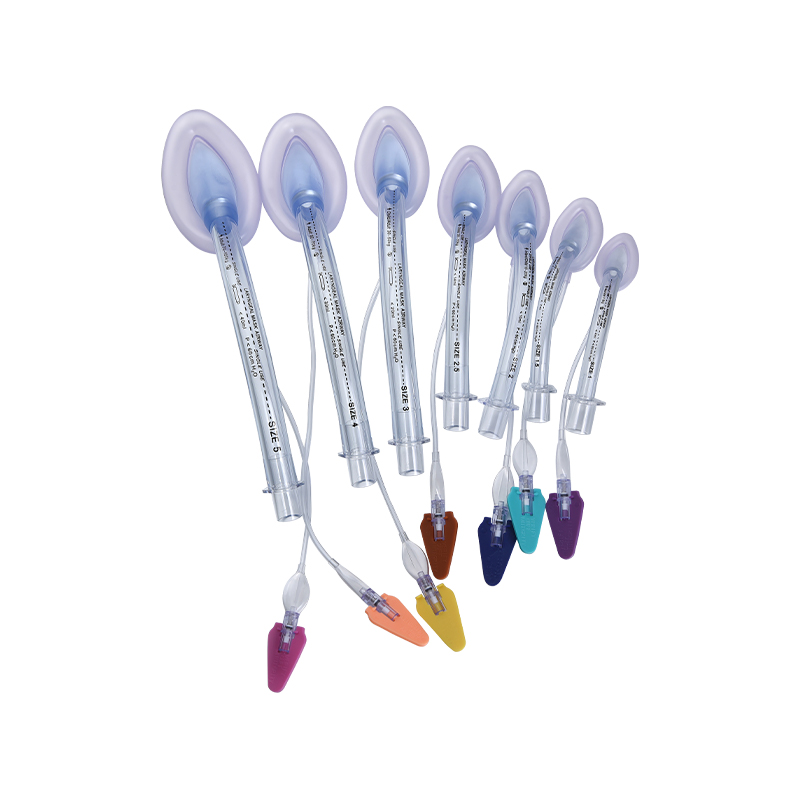
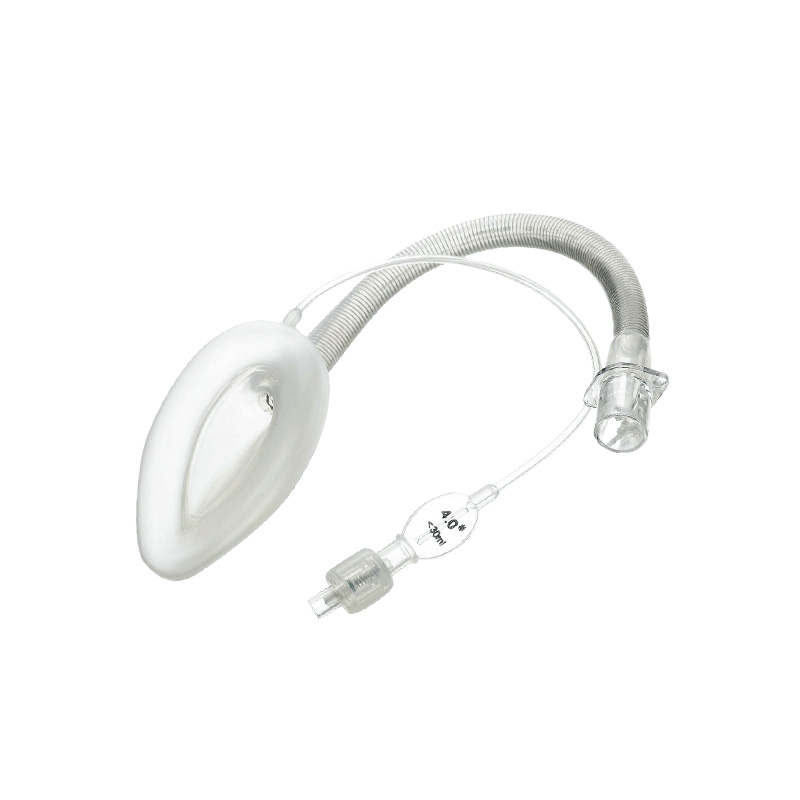
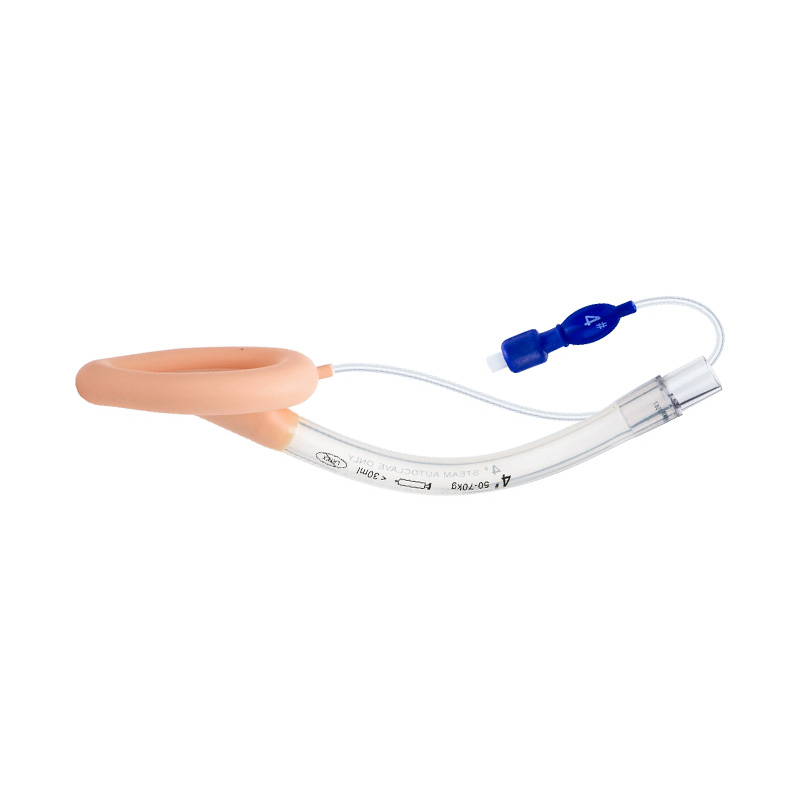
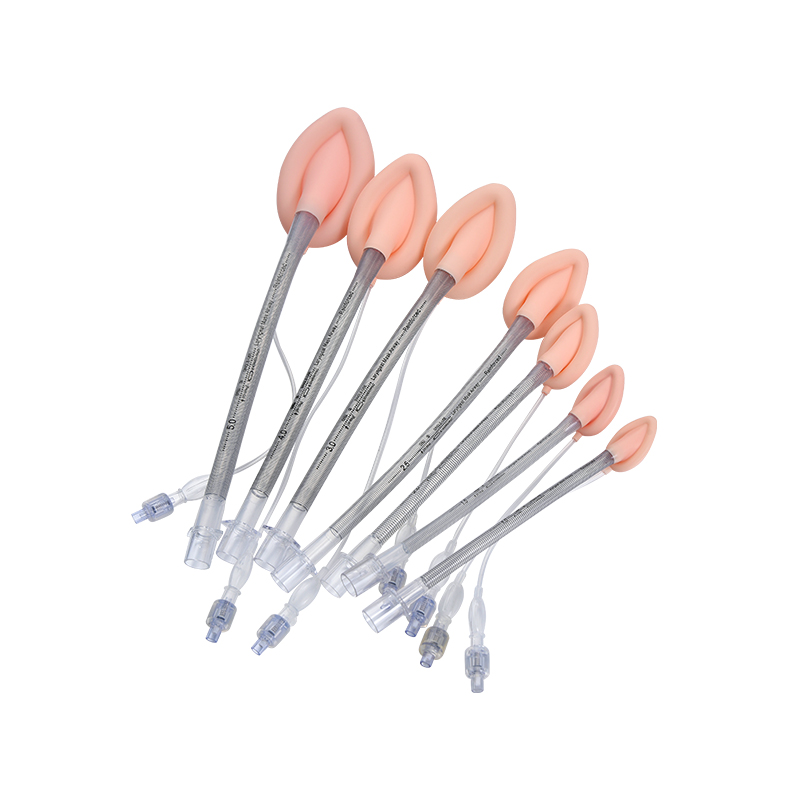

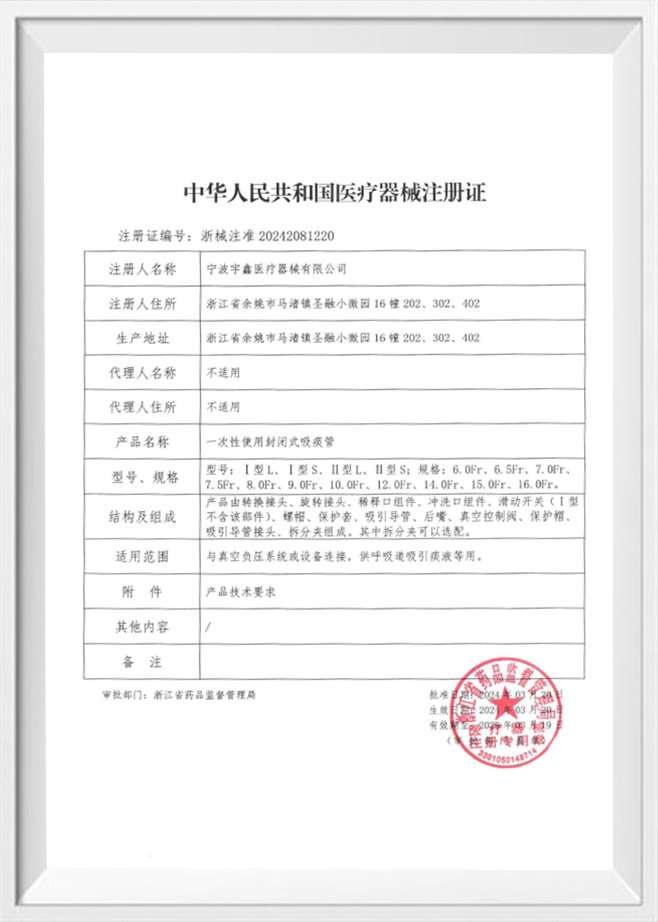
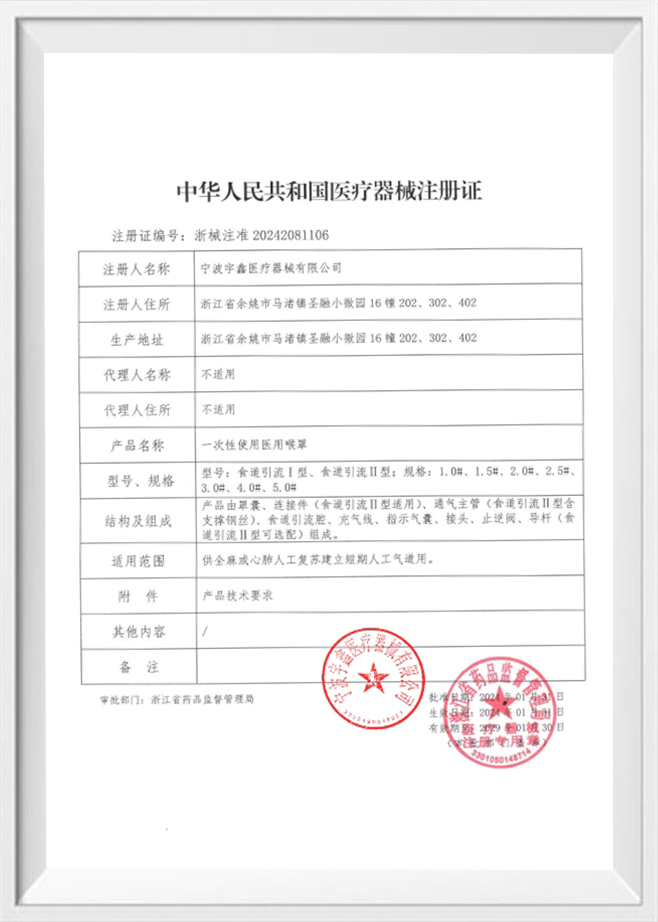
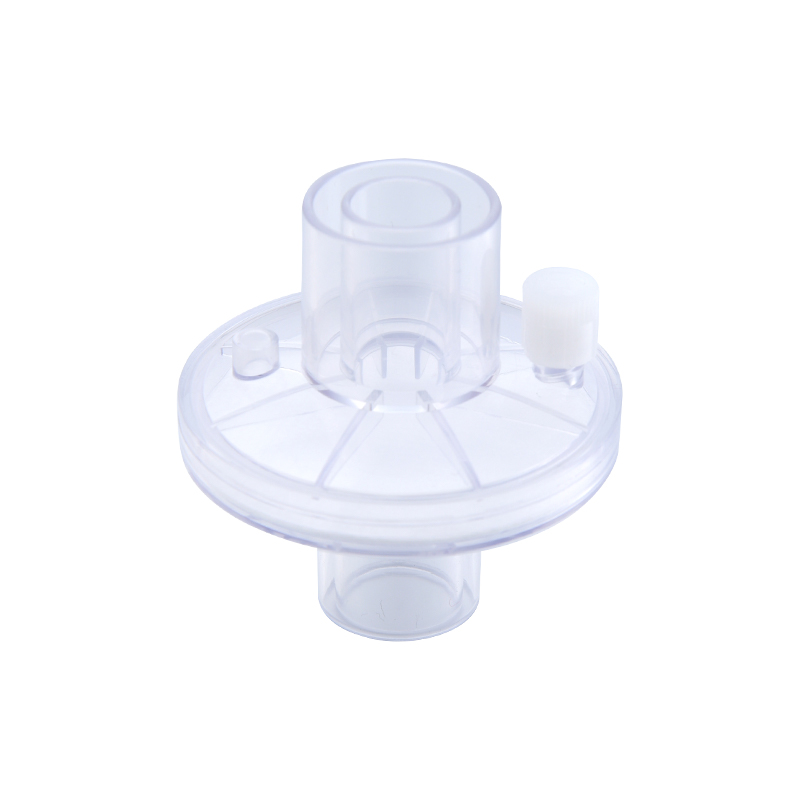
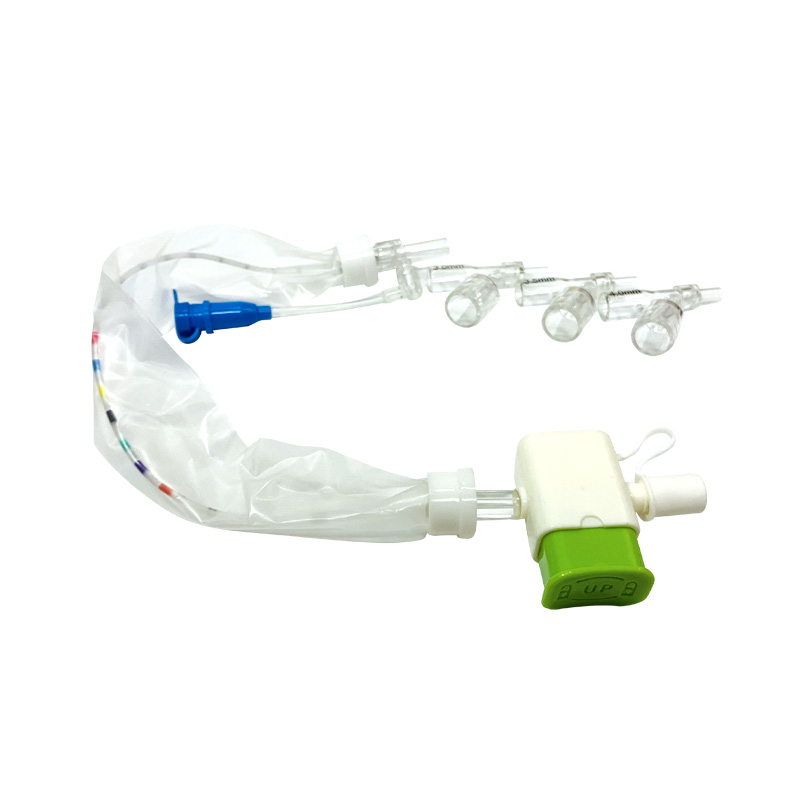
Closed Suction System: Ensuring Safe and Efficient Airway Management A closed suction system allows for continuous airway management without disconne...
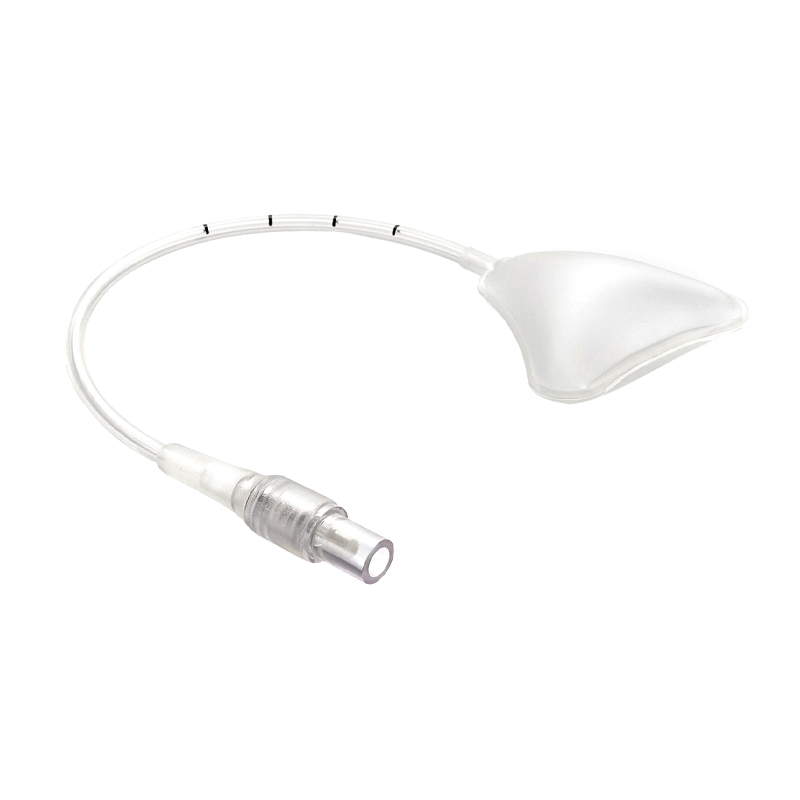
View MoreIntroduction to Uterine Tamponade Balloon A uterine tamponade balloon is a medical device used to manage postpartum hemorrhage (PPH) by providing mech...
View MoreOverview of Silicone Reservoirs Silicone reservoirs are widely used in various industries for storing liquids due to their flexibility, chemical stabi...
View MoreRelationship Between the Ventilator and the Breathing Circuit The breathing circuit functions as the physical connection between a ventilator and a pa...
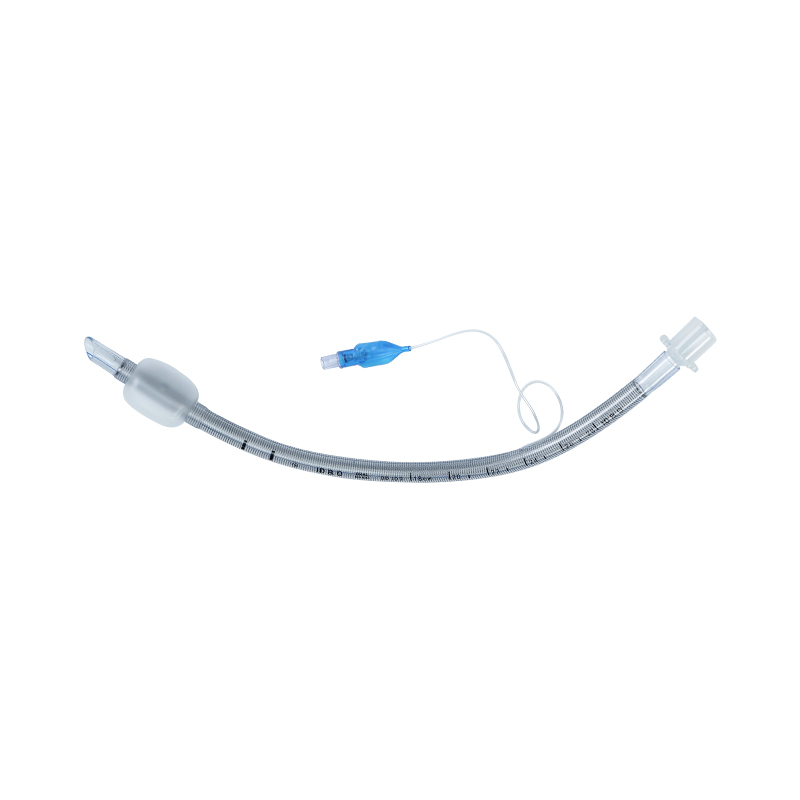
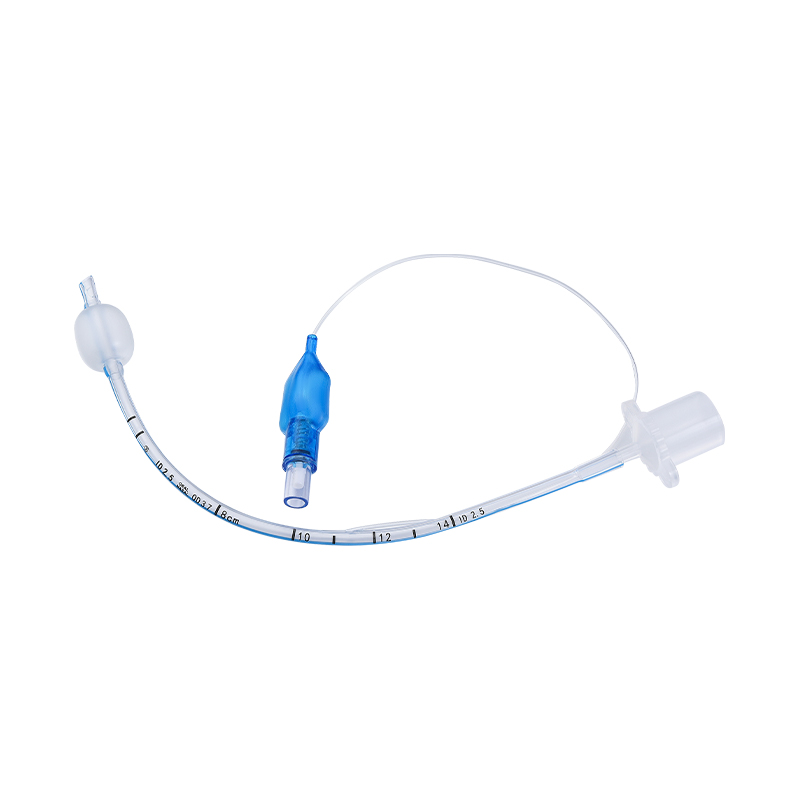
View MoreWhen selecting the appropriate endotracheal tube, it is essential to understand the various types available and their specific applications. Endotracheal tubes are classified based on the materials used, such as PVC, silicone, or rubber, and their design, which may include features like single or double-lumen configurations. For instance, PVC endotracheal tubes are commonly used for general intubation due to their flexibility and cost-effectiveness. Silicone endotracheal tubes, on the other hand, are preferred for prolonged intubation because of their higher resistance to pressure sores and lower risk of inflammation. Double-lumen bronchial intubation tubes are used for specific cases, such as for lung separation during surgery. Choosing the right type depends on the clinical needs of the patient and the intended procedure.
The material of the endotracheal tube is a crucial factor in its selection. PVC tubes are commonly used for short-term intubation due to their low cost and availability, but they can become stiffer with prolonged use. Silicone tubes are often chosen for longer-term use because they offer greater flexibility and resistance to mechanical wear. Additionally, silicone is less likely to cause airway irritation compared to PVC. For patients who require long-term ventilation or have sensitive airways, silicone endotracheal tubes are a better choice. In some cases, the material also influences the tube’s radiopacity, which allows healthcare providers to verify the position of the tube using X-rays.
Selecting the correct size of the endotracheal tube is essential to ensure proper airflow and minimize complications. The size of the tube is determined by the patient’s age, weight, and the diameter of the airway. A tube that is too large can cause airway trauma, while a tube that is too small may lead to inadequate ventilation. It is important to choose a tube with the right internal diameter and length based on these factors. Additionally, the type of procedure, such as whether it is a routine intubation or a complex surgery, may require different tube sizes for optimal airflow and ease of insertion.
Endotracheal tubes are available with various designs and special features, such as cuffs, radiopaque lines, and cuffs with an inflatable balloon. The cuff is a balloon-like structure near the distal end of the tube that helps create a seal within the trachea, preventing air from leaking. The tube with an inflatable cuff is often used in patients undergoing general anesthesia or requiring mechanical ventilation. Radiopaque lines allow the healthcare provider to confirm tube placement using X-ray imaging. Some tubes are designed with specific features for easier insertion or greater comfort for the patient. For example, visual double-lumen bronchial intubation tubes are designed for lung isolation procedures and allow the operator to visually confirm the tube’s placement within the bronchial tree.
When choosing an endotracheal tube, it is essential to take the patient’s clinical condition into account. Factors such as age, the presence of airway abnormalities, and the need for prolonged ventilation can all influence the selection of the tube. In pediatric cases, smaller diameter tubes are used to accommodate the smaller airways of children. In patients with conditions such as facial trauma or difficult airways, specialized tubes such as those with a reinforced design or those with a larger diameter may be needed to facilitate secure and effective intubation.
Another important consideration when selecting an endotracheal tube is the potential for complications, such as tube displacement, airway obstruction, or injury to the tracheal walls. Using the appropriate tube with proper cuff pressure, ensuring secure placement, and monitoring the tube during the intubation process are key to minimizing these risks. For patients with high-risk factors, such as those requiring long-term ventilation or those with sensitive airways, a silicone endotracheal tube might be preferred due to its softer nature and lower risk of causing trauma or irritation to the trachea.
Cost and availability are often key considerations in the selection of endotracheal tubes. PVC tubes tend to be more affordable and widely available, making them a cost-effective option for routine procedures. However, for patients requiring long-term ventilation or for those with complex medical conditions, the higher cost of silicone tubes may be justified by the enhanced comfort and reduced risk of complications. Hospitals and healthcare providers should assess their budget and the specific needs of their patients when choosing between different tube types and materials.
Q: What materials are commonly used in endotracheal tubes?
A: Endotracheal tubes are typically made from materials such as PVC, silicone, and rubber. PVC tubes are commonly used for short-term procedures due to their flexibility and lower cost. Silicone endotracheal tubes are preferred for long-term use as they offer greater durability, flexibility, and reduced risk of irritation. Silicone tubes are especially useful in patients requiring prolonged ventilation, as they are less likely to cause airway inflammation.
Q: How do I choose the right size of an endotracheal tube?
A: The appropriate size of an endotracheal tube depends on the patient’s age, weight, and airway characteristics. Generally, smaller tubes are used for pediatric patients, while larger tubes are needed for adult patients. The internal diameter and length of the tube should be selected based on the patient’s airway dimensions to ensure proper ventilation and minimize the risk of complications like airway trauma or inadequate ventilation.
Q: Can endotracheal tubes be used for both short-term and long-term ventilation?
A: Yes, endotracheal tubes can be used for both short-term and long-term ventilation. PVC endotracheal tubes are commonly used for short-term procedures as they are flexible and cost-effective. However, for long-term ventilation, silicone tubes are often preferred due to their increased durability, flexibility, and reduced potential for airway irritation. Silicone tubes are less likely to cause complications such as pressure sores, making them ideal for extended use in critical care settings.
Q: How do visual endotracheal tubes improve the intubation process?
A: Visual endotracheal tubes, such as those with built-in fiberscopes or video-assisted technology, help healthcare providers visualize the airway during intubation. This technology improves the accuracy and safety of tube placement, especially in patients with challenging or difficult airways. The visual aid allows the operator to directly view the tube’s path into the trachea, reducing the risk of accidental esophageal intubation and minimizing trauma to the airway.
Q: What are the main risks associated with endotracheal intubation?
A: Some of the risks associated with endotracheal intubation include accidental airway trauma, aspiration, tube displacement, and inadequate ventilation. It is crucial to choose the appropriate tube size and material to minimize these risks. Additionally, using a cuffed endotracheal tube ensures an effective seal and prevents aspiration, while careful monitoring during intubation can help ensure that the tube remains properly placed throughout the procedure.
Q: How can I ensure the proper placement of an endotracheal tube?
A: Proper placement of an endotracheal tube can be verified using several techniques. The most common method is to check for bilateral chest rise and listen for breath sounds in both lung fields. Additionally, tools such as capnography can be used to confirm the presence of exhaled carbon dioxide, which indicates proper tube placement in the trachea. X-rays can also be used, particularly in cases where visual confirmation may be difficult.
Q: Are there any specific considerations for endotracheal tubes in patients with difficult airways?
A: In patients with difficult airways, specialized endotracheal tubes, such as reinforced tubes, may be necessary to prevent kinking during intubation. Furthermore, the use of visual or video-assisted tubes can help guide the intubation process more effectively. The choice of tube material may also play a role in ensuring ease of insertion and securing a proper seal. For patients with anatomical variations or trauma, a flexible and easy-to-maneuver tube may be essential to ensure safe and successful intubation.
Q: Can endotracheal tubes be used in all surgical procedures?
A: While endotracheal tubes are commonly used in a wide range of surgical procedures that require general anesthesia, they may not be suitable for all types of surgeries. For example, in surgeries involving the upper airway or head and neck region, other methods of airway management such as laryngeal masks or nasal intubation may be preferred. The choice of airway device is influenced by the surgical site, patient’s health condition, and the duration of the procedure.

Building 16, Shengrong Microenterprise Park, Mazhu Town, Yuyao City, Zhejiang Province, China

Tel: +86-0574-66668898

E-mail: [email protected]
Copyright ? Ningbo Yuxin Medical Equipment Co., Ltd., All Rights Reserved.
 Custom Endotracheal Tubes Manufacturers