

Contact Us
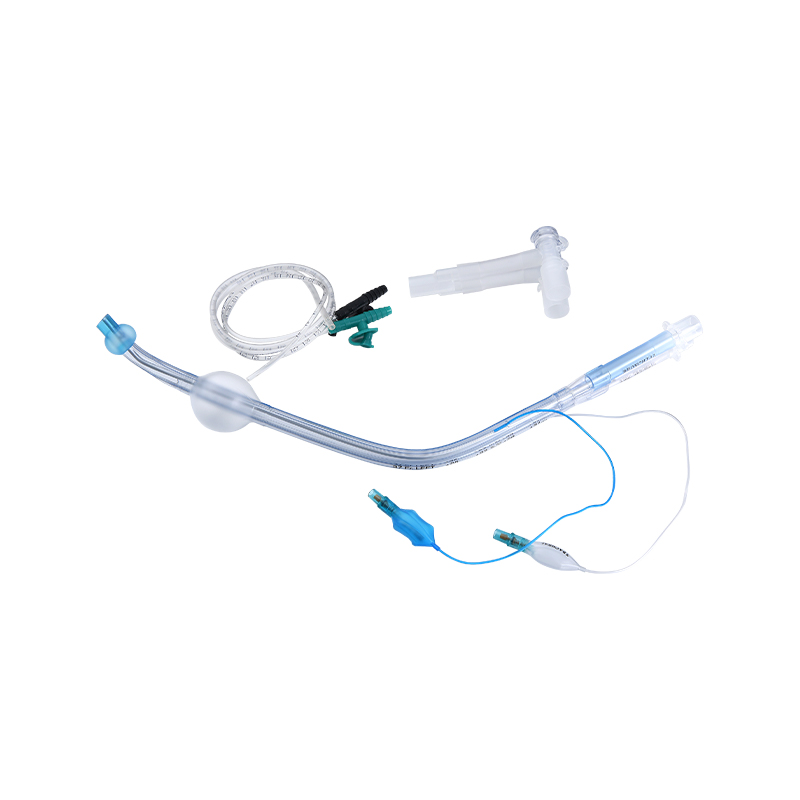
A closed suction system allows for continuous airway management without disconnecting the ventilator circuit, reducing the risk of infection and hypoxia. These systems are commonly used in critical care, ICU, and for patients on mechanical ventilation. They provide sterile, in-line suctioning for tracheal and endotracheal tubes, ensuring patient safety and maintaining respiratory stability.Unlike open suction methods, closed suction systems minimize environmental contamination and reduce cross-infection risks, which is crucial in hospital settings where multidrug-resistant pathogens may be present.
A closed suction catheter kit typically includes a sterile catheter enclosed in a plastic sheath, a connector for the endotracheal tube, and a suction control mechanism. Some advanced kits feature integrated saline flushes or suction regulators.
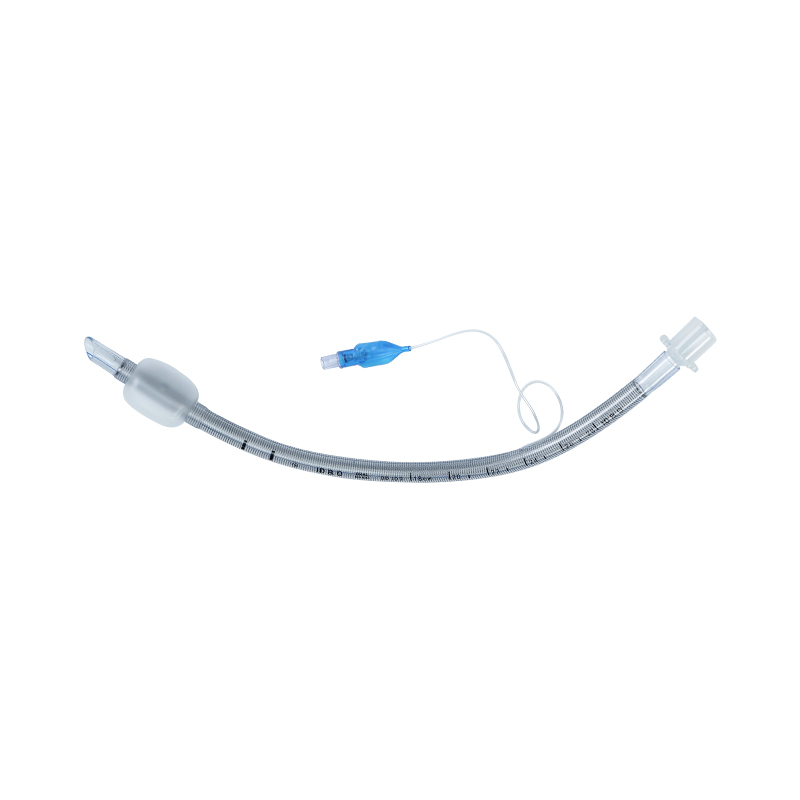
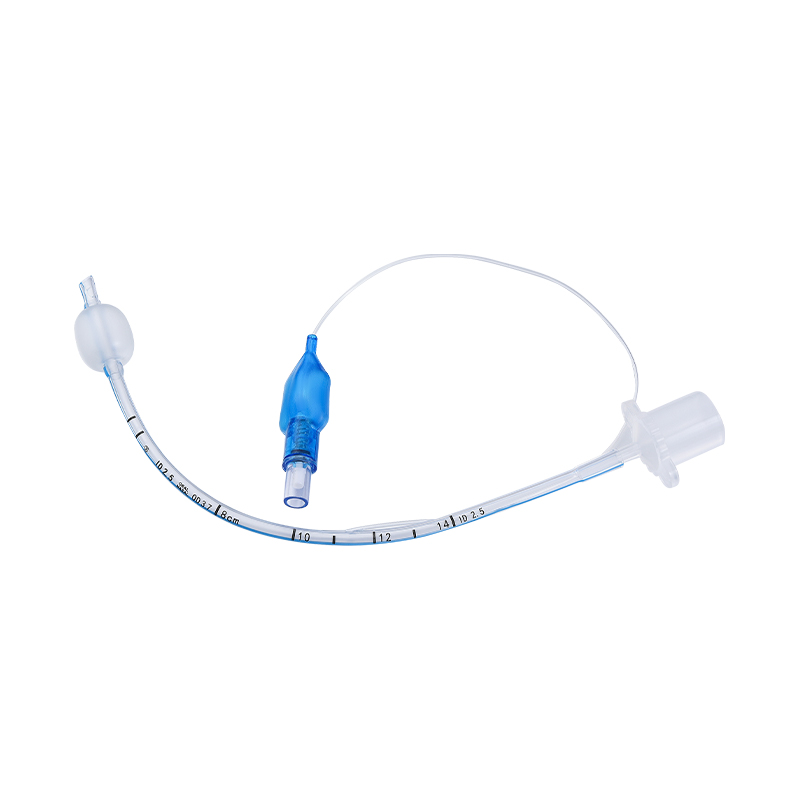
Different catheters serve specific purposes in airway management. Endotracheal tube suction catheters are designed for intubated patients, while in-line suction catheters allow continuous access without disconnection. Tracheal suction catheters are generally longer and flexible to navigate the airway safely.
| Catheter Type | Intended Use | Key Features | Patient Type |
|---|---|---|---|
| Endotracheal Tube Suction Catheter | Intubated patients | Sterile, flexible, fits ET tube connector | ICU, emergency care |
| In-line Suction Catheter | Continuous suction | Maintains ventilator circuit integrity | Critical care patients |
| Tracheal Suction Catheter | Direct tracheal airway management | Longer, flexible, sterile | ICU, surgery, ventilated patients |
Proper technique is essential for safety and effectiveness. Healthcare providers should follow strict aseptic protocols, use the appropriate catheter size, and monitor patient oxygen levels during suctioning.

Building 16, Shengrong Microenterprise Park, Mazhu Town, Yuyao City, Zhejiang Province, China

Tel: +86-0574-66668898

E-mail: [email protected]
Copyright © Ningbo Yuxin Medical Equipment Co., Ltd. All Rights Reserved.
 OEM Anesthesia Respiratory Consumables Manufacturers
The information provided on this website is intended for use only in countries and jurisdictions outside of the People's Republic of China.
 中文简体
中文简体 English
 Español
 русский
 عربى
عربى