

Contact Us
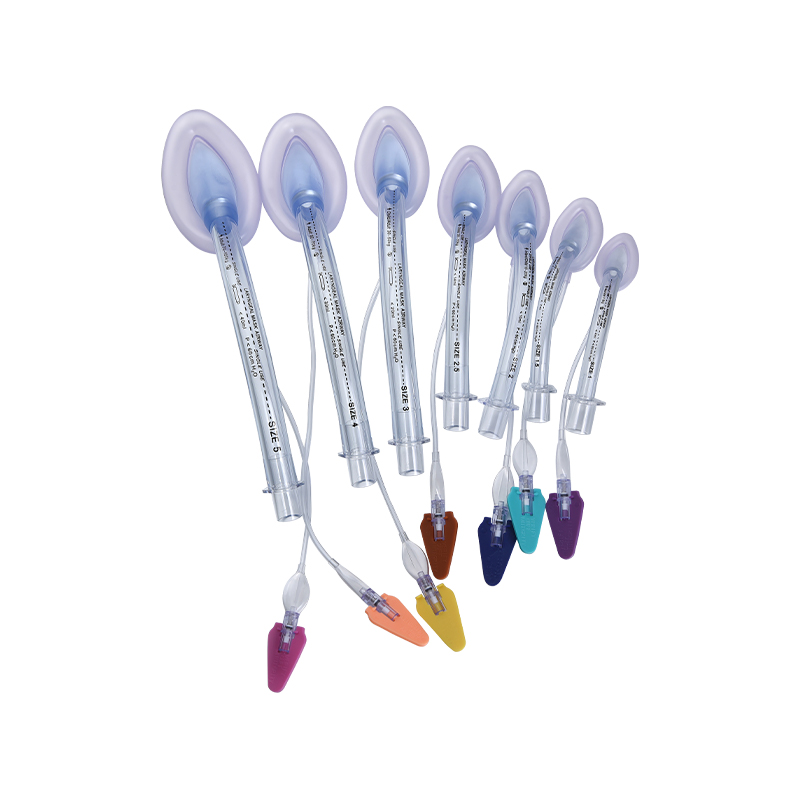
Medical laryngeal masks are essential devices for airway management in anesthesia and emergency care. They provide a secure airway while minimizing trauma to the patient’s upper respiratory tract.
Laryngeal masks are particularly useful for procedures where endotracheal intubation is unnecessary or difficult, offering rapid and reliable ventilation with minimal training required.
Effective laryngeal masks share several critical characteristics:
Laryngeal masks are widely applied in clinical practice for safe airway management:
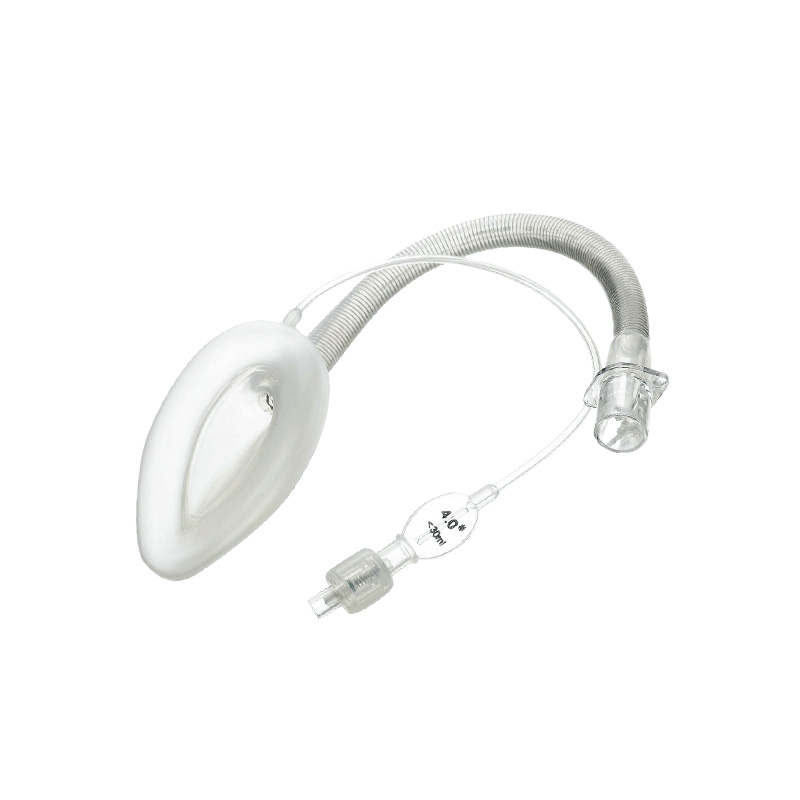
The traditional design features a simple cuff and tube system. Widely used for elective surgical procedures and routine airway management.
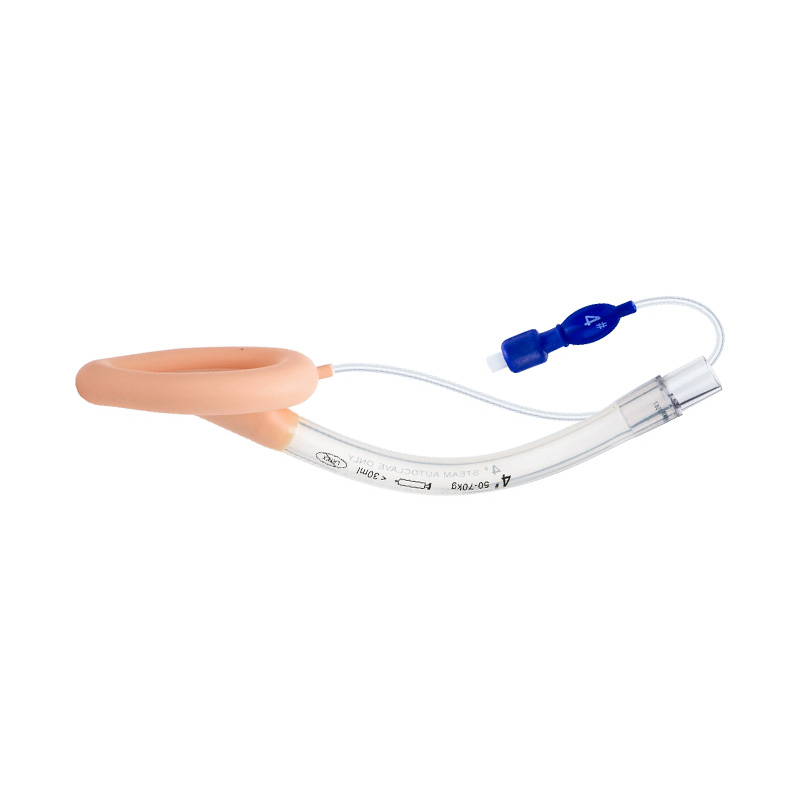
Enhanced design with a gastric access channel allows for simultaneous ventilation and stomach decompression. Ideal for longer surgeries and patients at risk of aspiration.
Designed to facilitate tracheal intubation through the mask, combining rapid ventilation with secure airway access.
Proper insertion is crucial for effective ventilation and patient safety:
Maintaining safety and hygiene is critical when using laryngeal masks:
Key specifications of medical laryngeal masks include:
| Specification | Typical Value | Test Method |
|---|---|---|
| Sizes Available | 1–5 (Neonates to Adults) | ISO 5366 Standard |
| Cuff Material | Medical-grade Silicone / PVC | ASTM F88 / ISO 10993 |
| Tube Length | 50–80 mm depending on size | Manufacturer Guidelines |

Building 16, Shengrong Microenterprise Park, Mazhu Town, Yuyao City, Zhejiang Province, China

Tel: +86-0574-66668898

E-mail: [email protected]
Copyright © Ningbo Yuxin Medical Equipment Co., Ltd. All Rights Reserved.
 OEM Anesthesia Respiratory Consumables Manufacturers
The information provided on this website is intended for use only in countries and jurisdictions outside of the People's Republic of China.
 中文简体
中文简体 English
 Español
 русский
 عربى
عربى