中文简体
中文简体 English
 Español
 русский
 عربى
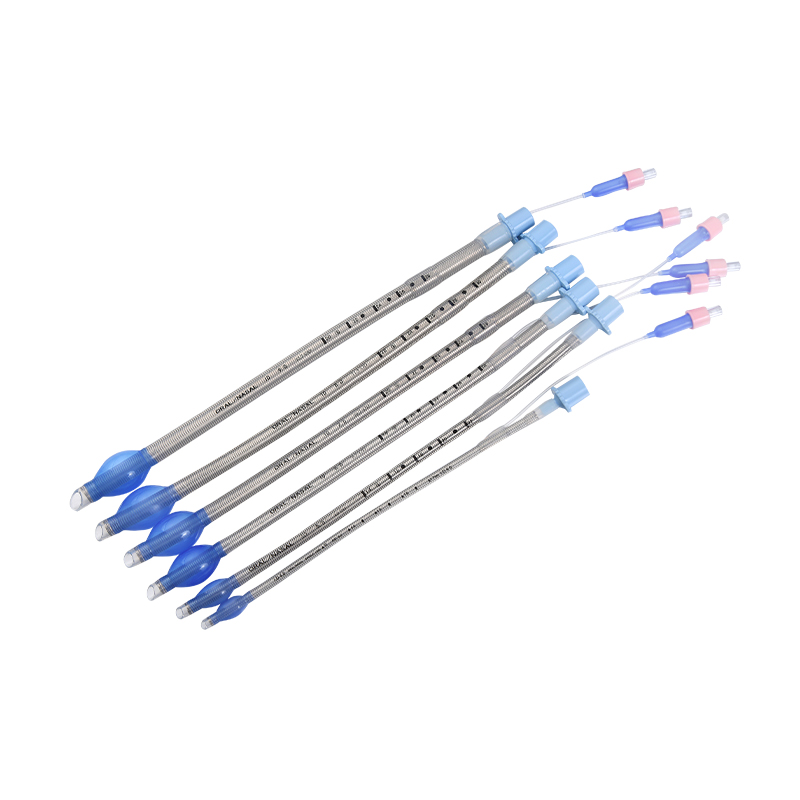
عربىEndobronchial Tube
Endobronchial Tube (also called double-lumen endotracheal tube)is an endotracheal tube designed to i...
CONTACT US



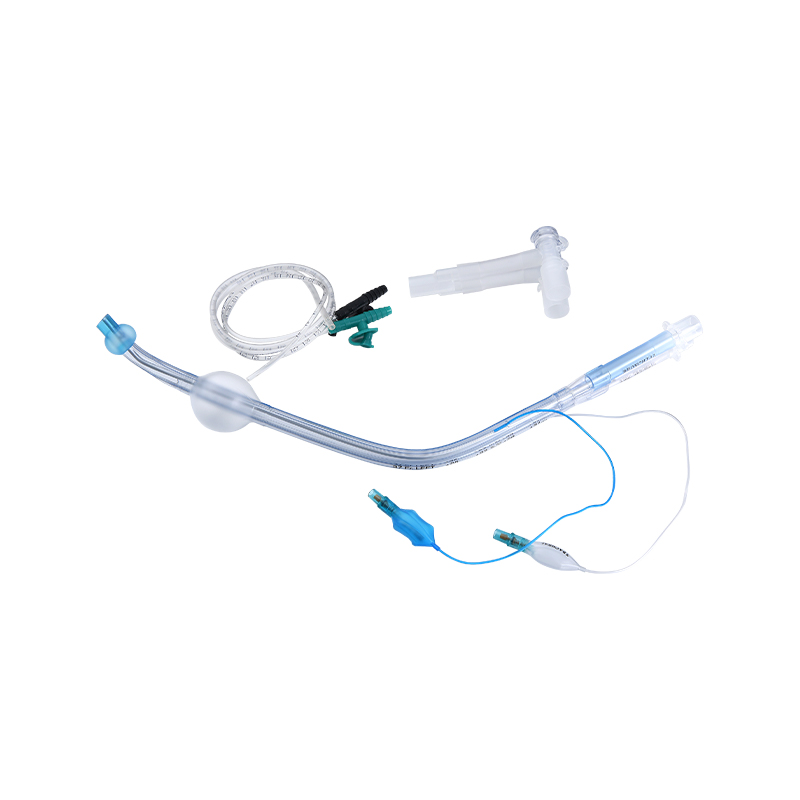
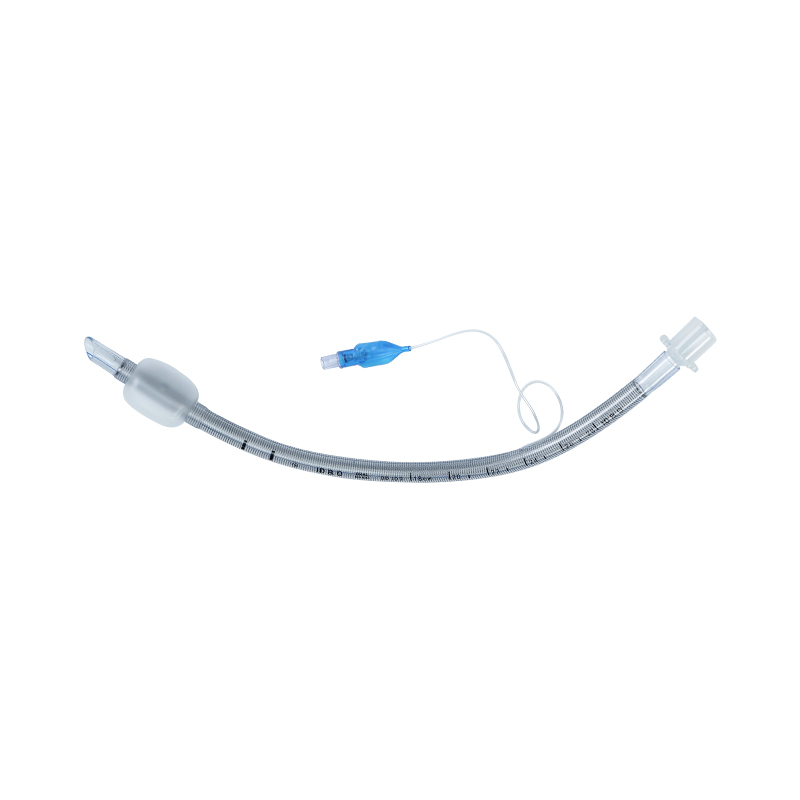
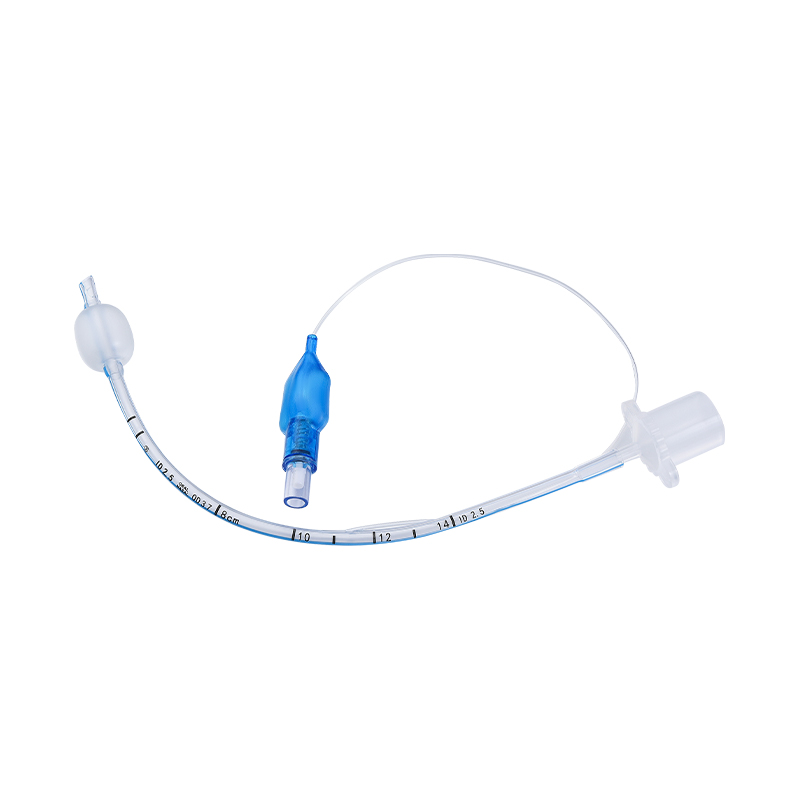
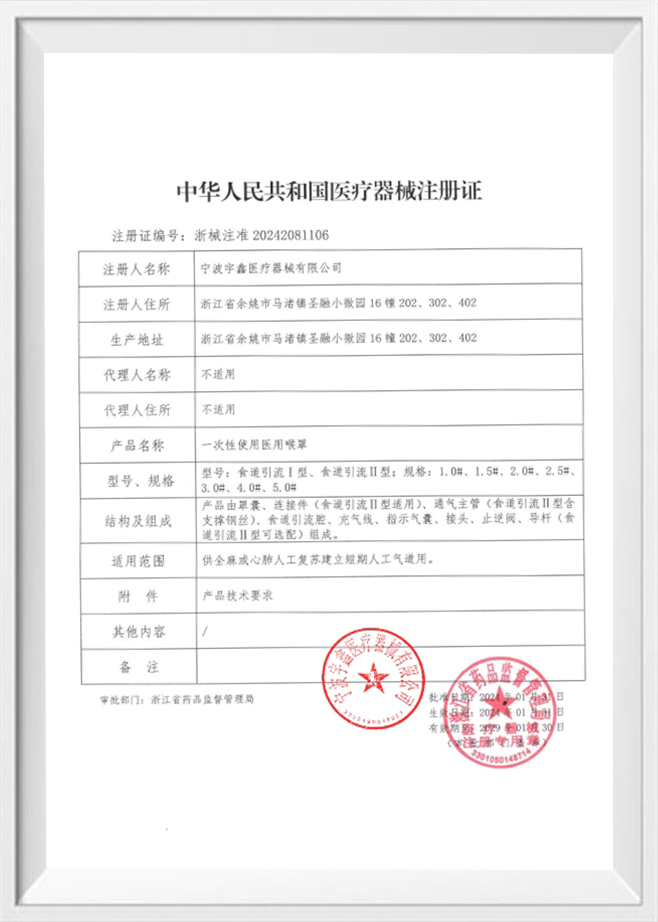
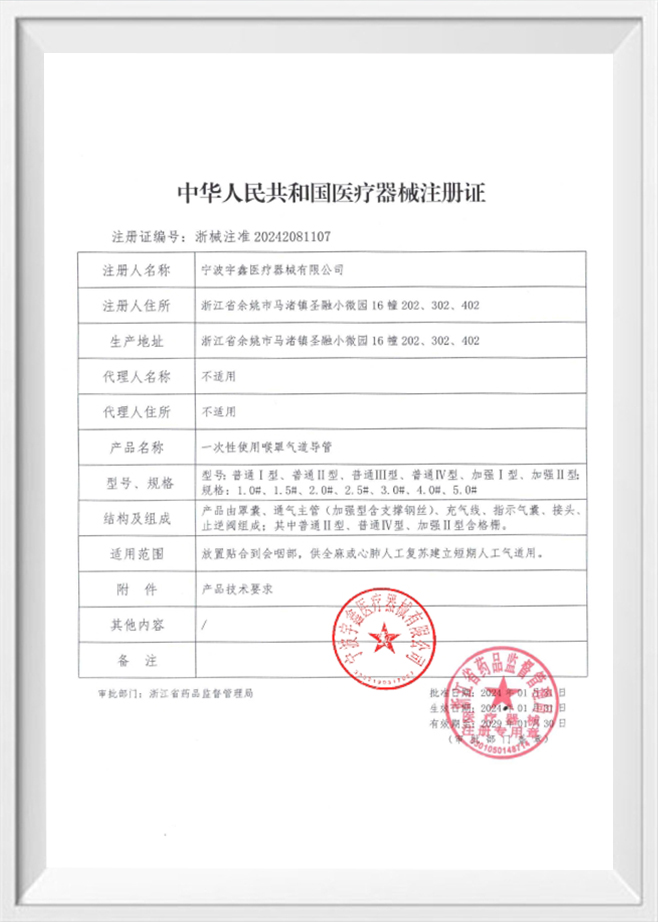
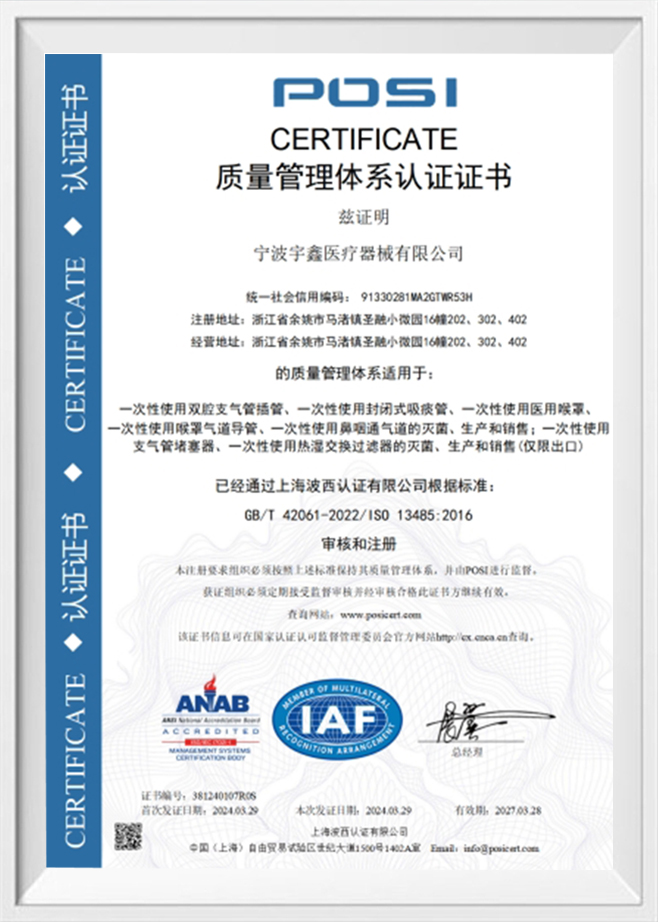
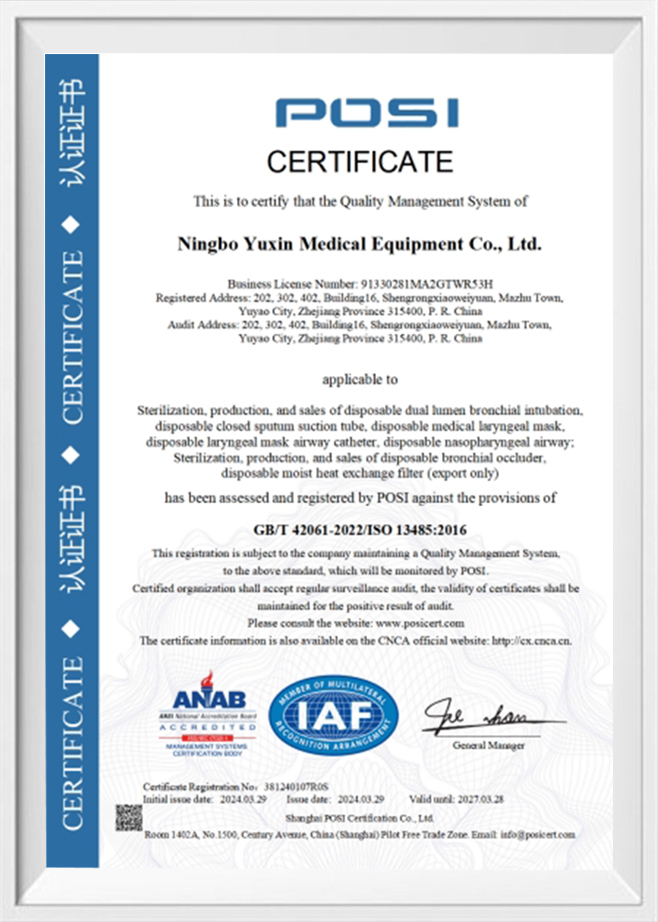
Closed Suction System: Ensuring Safe and Efficient Airway Management A closed suction system allows for continuous airw...
View MoreIntroduction to Uterine Tamponade Balloon A uterine tamponade balloon is a medical device used to manage postpartum hemo...
View MoreOverview of Silicone Reservoirs Silicone reservoirs are widely used in various industries for storing liquids due to the...
View MoreRelationship Between the Ventilator and the Breathing Circuit The breathing circuit functions as the physical connection...
View MoreClinical Context of Uterine Tamponade Balloons in Prolonged Use Uterine tamponade balloons are widely applied in obstetr...
View MoreTracheal tube is a critical medical procedure commonly performed in emergency situations, during surgery, or when a patient is unable to maintain an open airway. The procedure involves inserting a tube into the trachea to ensure that the airway remains open, allowing the patient to breathe or receive ventilation support. While tracheal tube is a routine part of many medical procedures, it is not without risks, and errors can occur during the process. Proper training, techniques, and attention to detail are crucial in preventing complications associated with tracheal tube. Ningbo Yuxin Medical Equipment Co., Ltd., a high-tech medical equipment manufacturer, provides high-quality products such as silicone and PVC endotracheal tubes, which are essential for safe and effective airway management.
Several errors can occur during the process of tracheal tube, which can lead to complications such as hypoxia, trauma, or airway obstruction. Some of the most common errors include improper tube placement, difficulty in visualization, failure to secure the airway, and inappropriate tube size. Understanding these common mistakes and how to avoid them is essential to improve patient outcomes and enhance the safety of the procedure.
One of the most critical errors during tracheal tube is improper placement of the tube. This can occur if the tube is inserted into the esophagus rather than the trachea, which can lead to ineffective ventilation and potential aspiration of stomach contents into the lungs. To avoid this error, it is essential to confirm the tube’s placement using reliable methods such as visual confirmation with a laryngoscope, capnography to detect exhaled carbon dioxide, or auscultation to listen for breath sounds over both lungs.
When using devices such as silicone or PVC endotracheal tubes from Ningbo Yuxin Medical Equipment Co., Ltd., ensuring that the tube is flexible yet rigid enough to maintain its shape during insertion can help with proper placement. Additionally, proper training and skill development are crucial to prevent accidental misplacement of the tube.
Another common issue during tracheal tube is difficulty in visualizing the glottis. This can occur due to anatomical variations, poor positioning of the patient, or inadequate use of a laryngoscope. In such cases, it may be challenging to see the vocal cords clearly, making tube placement more difficult.
To address this issue, it is important to ensure that the patient’s head and neck are positioned properly. The "sniffing" position, where the patient's head is tilted back slightly with the chin lifted, can help improve the line of sight. Additionally, using high-quality laryngoscopes with adjustable blades, as well as visual intubation tubes such as the visual PVC or silicone endotracheal tubes offered by Ningbo Yuxin Medical Equipment Co., Ltd., can aid in providing better visualization for intubation.
After successful intubation, another critical error is failing to secure the airway properly. This can occur when the tube becomes dislodged, which could lead to compromised ventilation and oxygenation. Securing the tube using a proper method such as taping it to the patient’s mouth or using a securing device is essential to prevent accidental extubation.
To reduce the risk of dislodgement, a secure and appropriate fixation technique should be used. Ensuring that the tube is appropriately sized for the patient’s anatomy also plays a role in minimizing the risk of unintentional dislodgement. The products from Ningbo Yuxin Medical Equipment Co., Ltd., such as silicone endotracheal tubes, offer flexibility and comfort while ensuring the security of the airway during extended use.
Using the incorrect tube size is another common error that can lead to complications during tracheal tube. A tube that is too small can result in inadequate ventilation, while a tube that is too large may cause trauma to the trachea and airway obstruction.
To avoid this error, it is essential to select the appropriate tube size based on the patient's age, weight, and anatomical features. For adult patients, the size of the endotracheal tube typically ranges between 7.0 mm and 8.0 mm in internal diameter, whereas for pediatric patients, smaller sizes are used. Devices such as the double-lumen bronchial intubation tubes from Ningbo Yuxin Medical Equipment Co., Ltd. offer a range of sizes to suit various patients and medical situations.
Inadequate preoxygenation is another factor that can lead to complications during intubation. Preoxygenation helps to increase the oxygen reserves in the patient’s body before intubation, reducing the risk of hypoxia during the procedure. Failure to properly preoxygenate the patient can result in oxygen desaturation, leading to potential complications.
To minimize this risk, it is important to follow proper preoxygenation techniques, which may include providing oxygen through a mask for several minutes prior to intubation. Additionally, employing the use of high-quality respiratory filters and accessories, such as those manufactured by Ningbo Yuxin Medical Equipment Co., Ltd., can help ensure that the patient receives proper oxygenation and ventilation during the procedure.
Incorrect intubation techniques can result in damage to the airway or surrounding structures. It is important for healthcare providers to be well-trained and familiar with various techniques, such as direct laryngoscopy or video-assisted intubation. Improper force during the procedure can lead to trauma to the vocal cords, esophagus, or trachea.
Healthcare providers should also be mindful of the type of intubation device being used. For instance, the visual intubation tubes from Ningbo Yuxin Medical Equipment Co., Ltd. provide better visibility and greater control during the procedure, reducing the risk of improper insertion and injury.
Q: What factors determine the appropriate size of a tracheal tube for a patient?
A: The appropriate size of a tracheal tube is determined by factors such as the patient's age, body weight, and anatomical features. For adult patients, sizes typically range from 7.0 mm to 8.0 mm in internal diameter, while pediatric patients require smaller sizes. It's important to consider these variables to ensure proper airway management and avoid complications during intubation.
Q: How does the material of the tracheal tube affect its performance?
A: The material of the tracheal tube impacts its flexibility, biocompatibility, and durability. For example, silicone tubes, such as those produced by Ningbo Yuxin Medical Equipment Co., Ltd., offer excellent flexibility and biocompatibility, making them ideal for long-term use. PVC tubes are more rigid and are typically used for shorter-term intubation. Material choice influences patient comfort, ease of insertion, and risk of complications.
Q: What are the advantages of using visual double-lumen bronchial intubation tubes?
A: Visual double-lumen bronchial intubation tubes provide enhanced visibility during the intubation process, allowing medical professionals to see the correct placement of the tube in the trachea or bronchial airway. This reduces the risk of misplacement and ensures more effective ventilation and oxygenation. They are particularly useful in complex cases, such as surgeries involving the lungs or when using dual-lumen ventilation.
Q: Can tracheal tubes be used in both emergency and elective medical procedures?
A: Yes, tracheal tubes are commonly used in both emergency and elective procedures. In emergency situations, they provide a quick and reliable method of securing the airway to ensure patient survival. In elective procedures, such as surgeries, tracheal tube is often used to manage the airway and facilitate the administration of anesthesia.
Q: What role do tracheal tubes play in preventing aspiration during anesthesia?
A: Tracheal tubes play a crucial role in preventing aspiration by ensuring that the airway remains secure and clear of fluids or gastric contents during anesthesia. This is particularly important for preventing aspiration pneumonia, which can result from inhaling food or liquid into the lungs. Proper placement and use of high-quality tubes, like the silicone endotracheal tubes offered by Ningbo Yuxin Medical Equipment Co., Ltd., help reduce this risk.
Q: How do tracheal tubes contribute to effective respiratory therapy in intensive care units (ICU)?
A: In ICU settings, tracheal tubes provide a vital means of maintaining a patient's airway and supporting ventilation. These tubes facilitate the delivery of mechanical ventilation to patients who are unable to breathe independently due to illness or injury. Proper use of high-quality tracheal tubes ensures consistent airflow and reduces complications, such as ventilator-associated pneumonia.
Q: Are there any specific considerations when using pediatric tracheal tubes?
A: Pediatric tracheal tubes require special attention to size, material, and design. Children have smaller airways, and therefore, smaller-sized tubes are needed. Pediatric tracheal tubes are typically softer and more flexible to ensure comfort and reduce the risk of airway injury. Ensuring the correct size and appropriate tube material, such as those manufactured by Ningbo Yuxin Medical Equipment Co., Ltd., is critical for successful intubation and patient safety in pediatric cases.
Q: How does the use of a heat and moisture exchange filter affect tracheal tube performance?
A: A heat and moisture exchange filter (HME) is used in conjunction with tracheal tubes to maintain optimal humidity and temperature levels for the respiratory tract. By preventing dehydration of the airway and improving the quality of inhaled air, HMEs help reduce the risk of respiratory tract infections and improve overall comfort for patients undergoing long-term ventilation.

Building 16, Shengrong Microenterprise Park, Mazhu Town, Yuyao City, Zhejiang Province, China

Tel: +86-0574-66668898

E-mail: [email protected]
Copyright ? Ningbo Yuxin Medical Equipment Co., Ltd., All Rights Reserved.
 OEM Tracheal Tube Manufacturers
The information provided on this website is intended for use only in countries and jurisdictions outside of the People's Republic of China.