

Contact Us
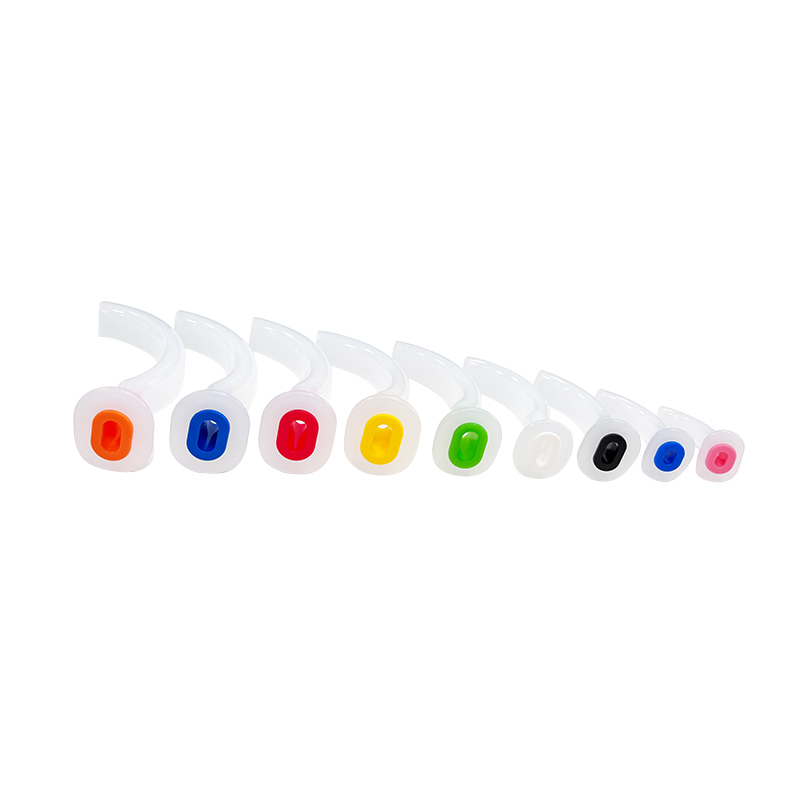
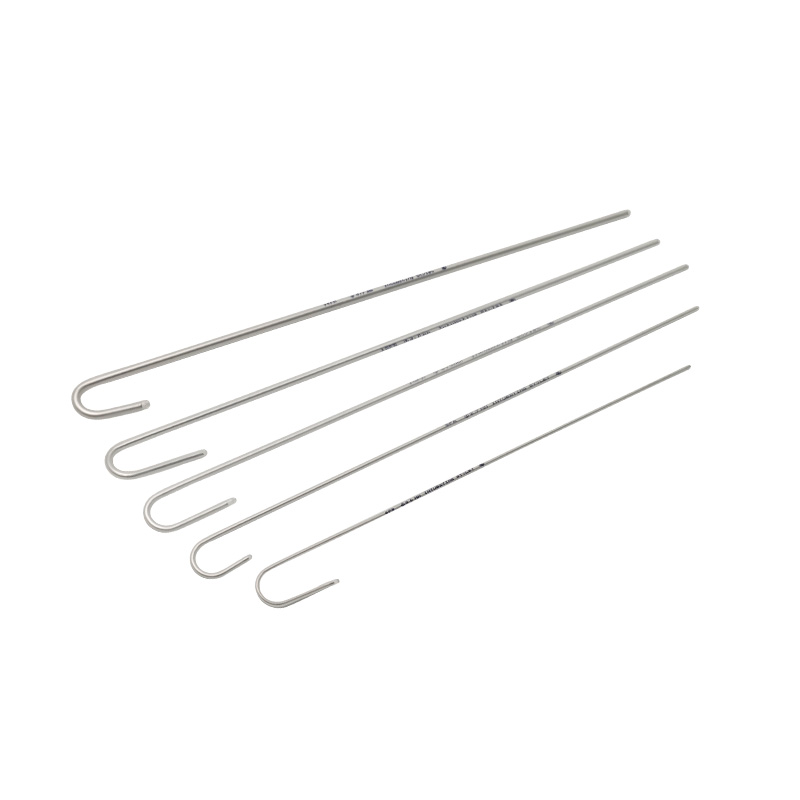
Guedel Airway is a medical device called an airway adjunct used to maintain or open a patient's airway. It does this by preventing the tongue from covering the epiglottis, which could prevent the person from breathing. When a person becomes unconscious, the muscles in their jaw relax and allow the tongue to obstruct the airway.
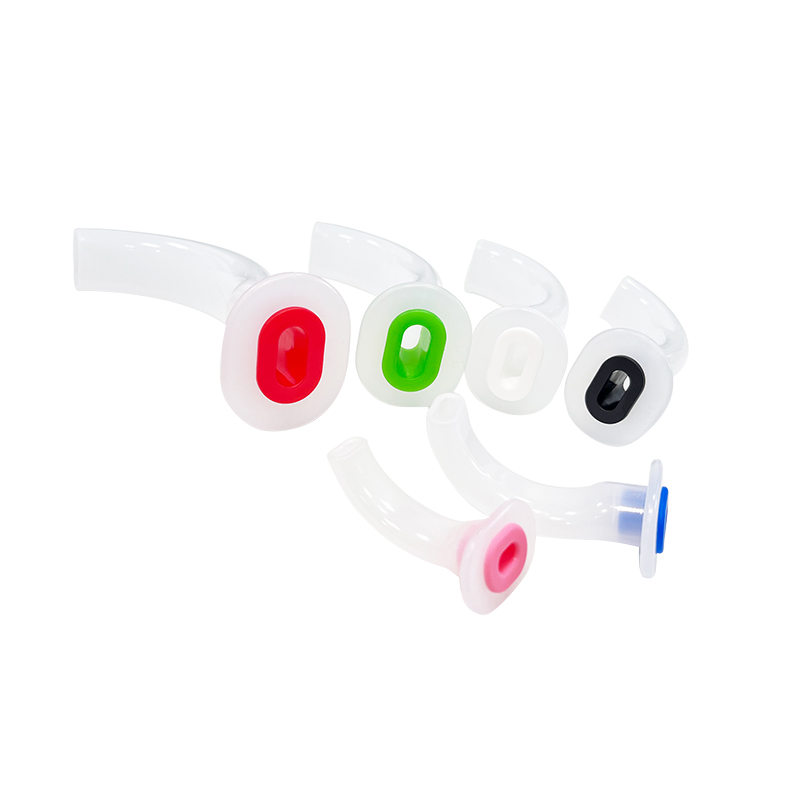
FEATURES AND BENEFITS
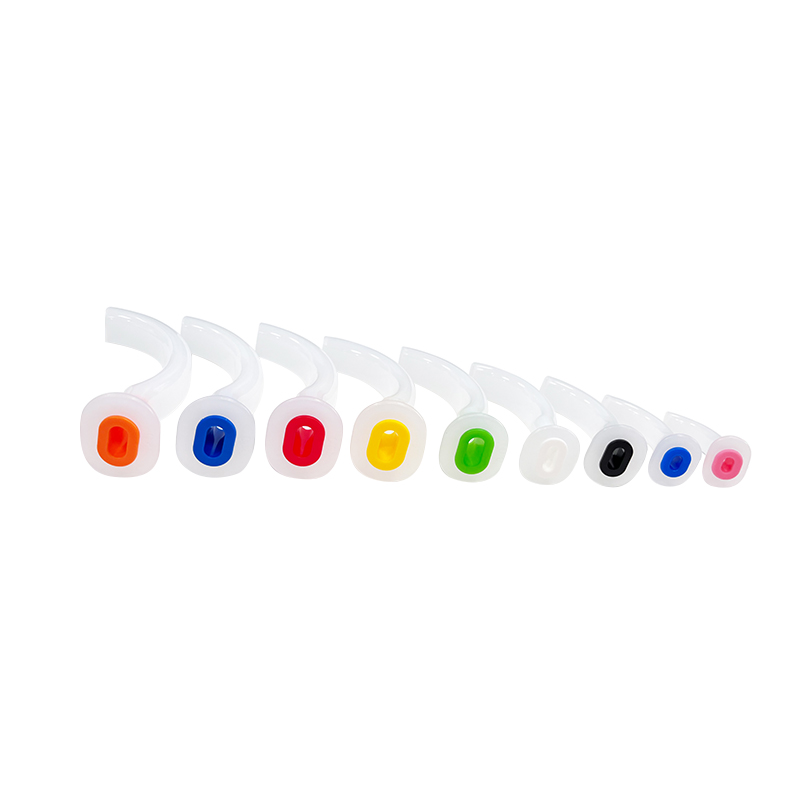
● Big curved airway, better conforming with oral structure, safer than a traditional small curve.
● Color-coded in-built bite blocks to avoid airway occlusion and biting of tongue.
|
Item No. |
Color Code |
Size(mm) |
Description |
|
Gda-40 |
Pink |
40 |
Newborn |
|
Gda-50 |
Blue |
50 |
Infant |
|
Gda-60 |
Black |
60 |
Small Child |
|
Gda-70 |
White |
70 |
Child |
|
Gda-80 |
Green |
80 |
Small Adult |
|
Gda-90 |
Yellow |
90 |
Medium Adult |
|
Gda-100 |
Red |
100 |
Large Adult |
|
Gda-110 |
Orange |
110 |
X-large Adult |
|
Gda-120 |
Purple |
120 |
XX-large Adult |





Uterine Tamponade Balloon: Immediate Solution for Postpartum Hemorrhage The uterine tamponade balloon is a highly effective medical device for controlling severe postpartum hemorrhage (PPH). It provi...
View MorePractical Role of Silicone Reservoirs in Fluid Management Systems A Silicone Reservoir is widely used as a flexible, durable, and chemically stable container for storing, regulating, and delivering f...
View MoreBreathing Circuit in Modern Medical Respiratory Support Systems A breathing circuit is a medical system of tubes, valves, and connectors designed to deliver oxygen and anesthetic gases to patients wh...
View MoreThe Guedel airway is a medical device designed to maintain an open airway in patients who are unconscious or unable to maintain their own airway. It is typically used in emergency situations, especially when airway obstruction is present due to the relaxation of the tongue muscles, which may block the trachea. The airway is made from a flexible material, such as medical-grade silicone or PVC, to ensure comfort and safety during use. The device is inserted into the patient's mouth to prevent the tongue from falling back and obstructing the throat, ensuring unobstructed airflow to the lungs.
The Guedel airway is designed with a curved shape, allowing it to fit snugly in the patient's oral cavity. It has a built-in flange that prevents it from being inserted too far into the airway, while the open end of the device allows for the passage of air. The device features a central channel that connects the upper airway to the trachea. This channel is designed to prevent airway collapse by keeping the tongue displaced and preventing obstruction. The device comes in various sizes to accommodate different patient demographics, including infants, children, and adults.
When inserted correctly, the Guedel airway holds the tongue forward and prevents it from blocking the airway. This action improves airflow, helping to prevent respiratory distress in unconscious patients. It provides an unobstructed path for air to travel from the mouth, through the throat, and into the lungs, ensuring that oxygen reaches the respiratory system. The Guedel airway is particularly effective in situations where there is no direct obstruction in the upper airway other than the tongue. It is a temporary solution that works well until further medical interventions, such as endotracheal intubation, can be performed.
The epiglottis is a flap of cartilage located at the base of the tongue that plays a critical role in the process of breathing and swallowing. During normal respiration, the epiglottis remains open, allowing air to flow freely into the trachea and lungs. However, when swallowing food or liquids, the epiglottis closes off the trachea to prevent aspiration (food or liquid entering the airway). This protective mechanism ensures that the air passages remain clear and prevents choking.
The epiglottis is an essential anatomical structure that acts as a barrier to prevent foreign objects, such as food or liquid, from entering the airway during swallowing. This process is called airway protection. The closure of the epiglottis directs food or liquid into the esophagus, ensuring that it does not travel down the windpipe (trachea) where it could cause choking or aspiration pneumonia. In the case of unconscious or sedated patients, the protective function of the epiglottis may be impaired, which is why medical devices like the Guedel airway are essential in maintaining a patent airway and preventing aspiration.
In healthy individuals, the epiglottis ensures that the airway remains open during breathing and closed during swallowing. However, in certain situations, such as in unconscious patients or those under sedation, the epiglottis may fail to function properly, leading to the risk of airway obstruction. This is where the Guedel airway plays a significant role. By holding the tongue in place and preventing it from blocking the airway, the Guedel airway supports the function of the epiglottis by ensuring that the airway remains open for breathing.
The Guedel airway and the epiglottis work in tandem to ensure that air can flow freely into the lungs during the respiratory process. The Guedel airway assists in keeping the tongue displaced, thus preventing obstruction caused by the tongue. Meanwhile, the epiglottis performs its protective function during swallowing. In situations where the epiglottis is unable to provide complete protection—such as in an unconscious patient or one who has impaired reflexes—the Guedel airway provides temporary relief by ensuring that the airway remains open and clear of obstruction.
Both the Guedel airway and the epiglottis are critical in the maintenance of airway patency and overall respiratory health. The Guedel airway is a valuable tool in emergency medicine, used to manage airway obstruction and ensure proper ventilation in patients who are unconscious or sedated. The epiglottis, on the other hand, is a natural anatomical feature that protects the airway during swallowing. Together, these mechanisms help ensure that air can reach the lungs without obstruction, which is vital for oxygen exchange and overall respiratory function.
Q: What are the different types of Guedel airways available for use?
A: There are several types of Guedel airways available based on material and design, including those made from silicone, PVC, and other medical-grade materials. Additionally, the airways come in various sizes to accommodate different patient demographics such as adults, children, and infants. The choice of type depends on the patient's specific needs and the procedure being performed.
Q: How does the Guedel airway assist in maintaining an open airway?
A: The Guedel airway is designed to maintain an open airway by preventing the tongue from obstructing the throat. When inserted correctly, it holds the tongue forward and clears the upper airway, allowing for improved airflow to the lungs. This is particularly helpful in unconscious patients who cannot naturally maintain their own airway.
Q: What is the proper way to insert a Guedel airway?
A: The Guedel airway should be inserted with the concave side facing the patient's roof of the mouth. It is typically inserted gently through the mouth and along the patient's upper airway. The airway should be positioned so that the tongue is held forward and away from the airway, preventing obstruction. The device should be used in conjunction with proper positioning and head tilt to optimize airflow.
Q: How do you select the appropriate size of the Guedel airway for a patient?
A: Selecting the right size of the Guedel airway is essential for ensuring effective airway management. The size is typically determined by the patient's weight, age, and the anatomy of their mouth and throat. It is important to choose an airway that fits securely without being too tight or too loose. Most manufacturers provide sizing charts to assist healthcare providers in selecting the correct size based on these factors.
Q: Are Guedel airways reusable, and how should they be cleaned?
A: Guedel airways made from materials like silicone can often be reused after proper sterilization. Cleaning should be done according to the manufacturer's guidelines, typically using autoclaving or chemical sterilization. It's crucial to ensure that the device is fully sterilized before re-use to prevent infection or contamination. Disposable versions of the airway are also available for single-use scenarios.
Q: Can the Guedel airway be used in patients with known allergies to silicone or PVC?
A: If a patient has a known allergy to certain materials, such as silicone or PVC, alternative options should be considered. It is essential to assess the patient's medical history and consult with a healthcare provider to select a suitable airway that does not contain the triggering material. There are various materials available that may be suitable for patients with specific sensitivities.
Q: How do you know if the Guedel airway is inserted correctly?
A: The correct insertion of a Guedel airway can be confirmed if the airway fits comfortably in the patient's mouth and prevents the tongue from obstructing the airway. You can also check for effective airflow and watch for signs of improved oxygenation in the patient. If the device is inserted too deep, it could cause discomfort or injury, while if it's too shallow, it may not prevent airway obstruction effectively.

Building 16, Shengrong Microenterprise Park, Mazhu Town, Yuyao City, Zhejiang Province, China

Tel: +86-0574-66668898

E-mail: [email protected]
Copyright ? Ningbo Yuxin Medical Equipment Co., Ltd., All Rights Reserved.
 Wholesale Guedel Airway Suppliers
The information provided on this website is intended for use only in countries and jurisdictions outside of the People's Republic of China.
 中文简体
中文简体 English
 Español
 русский
 عربى
عربى