 中文简体
中文简体 English
 Español
 русский
 عربى
عربىClosed Suction Catheter Adult
Closed suction catheter has several advantages for both the patient and the healthcare provider. In ...
CONTACT US



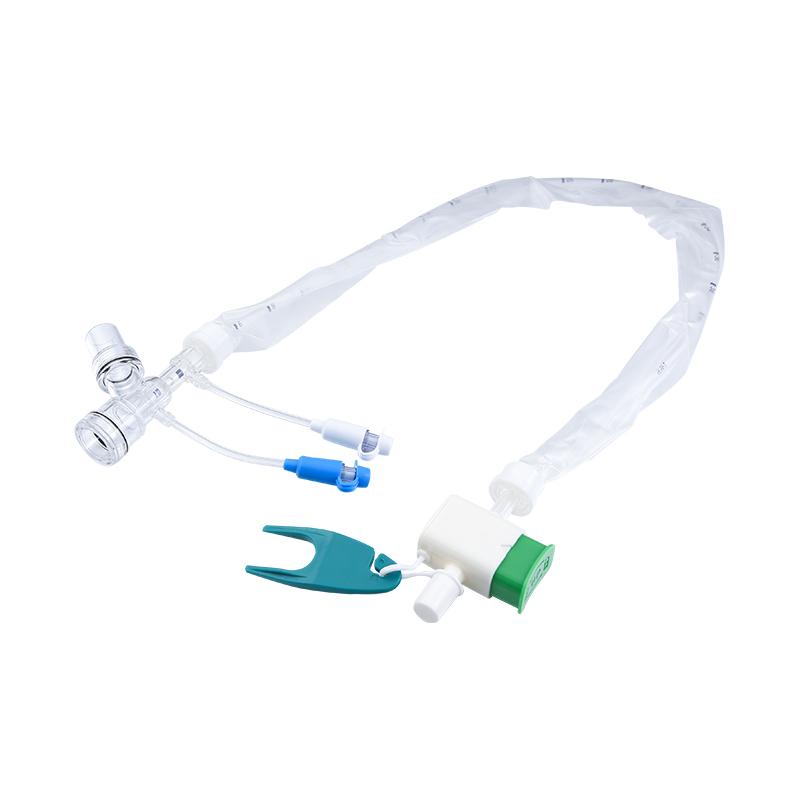
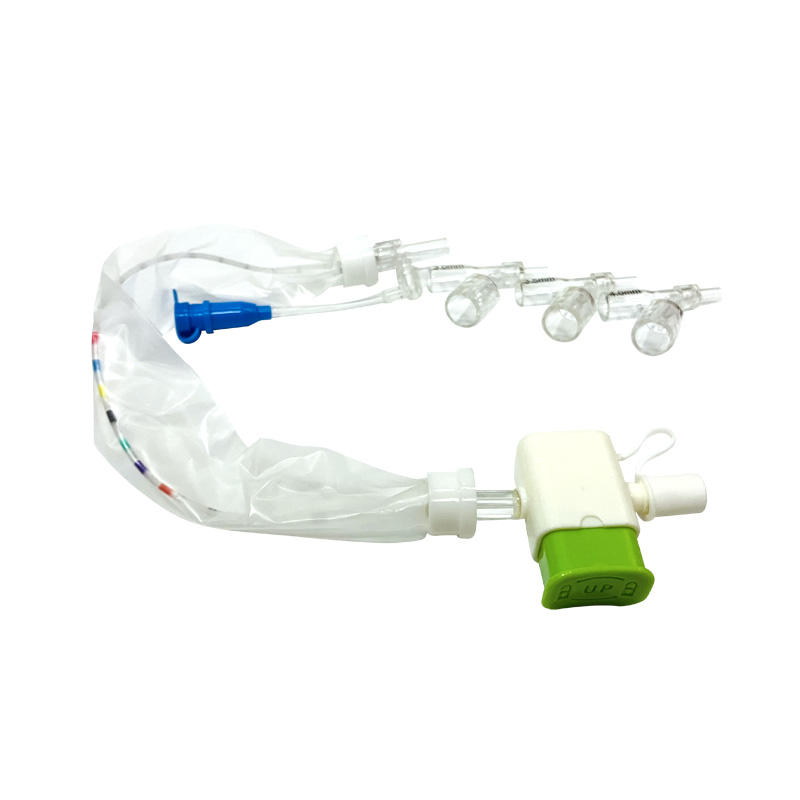
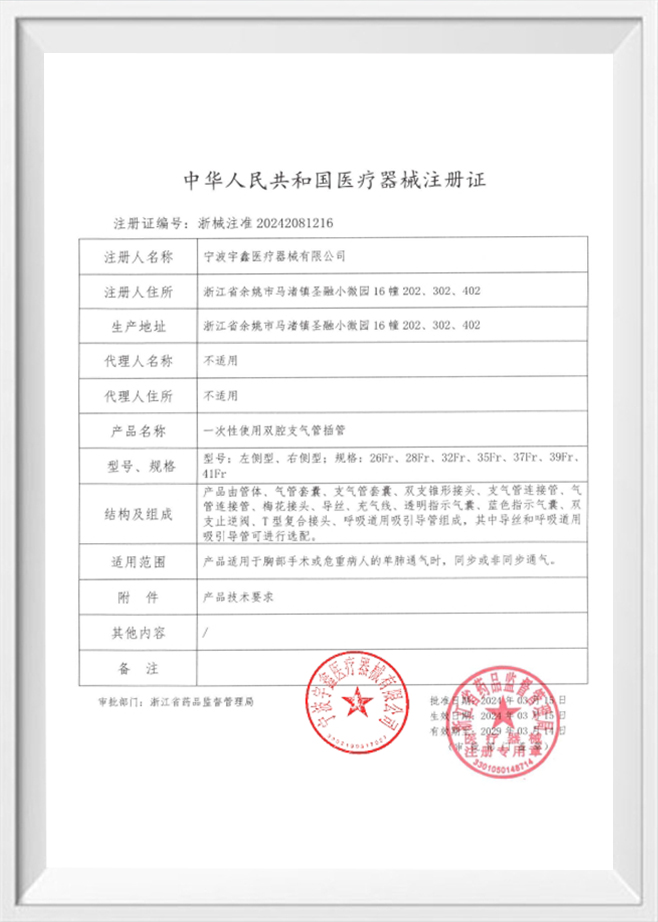
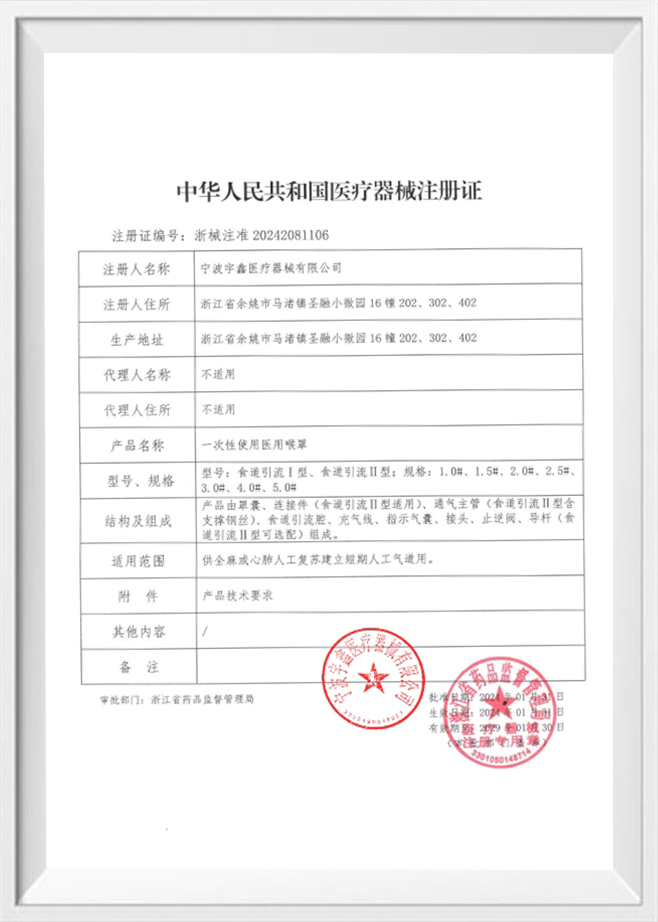
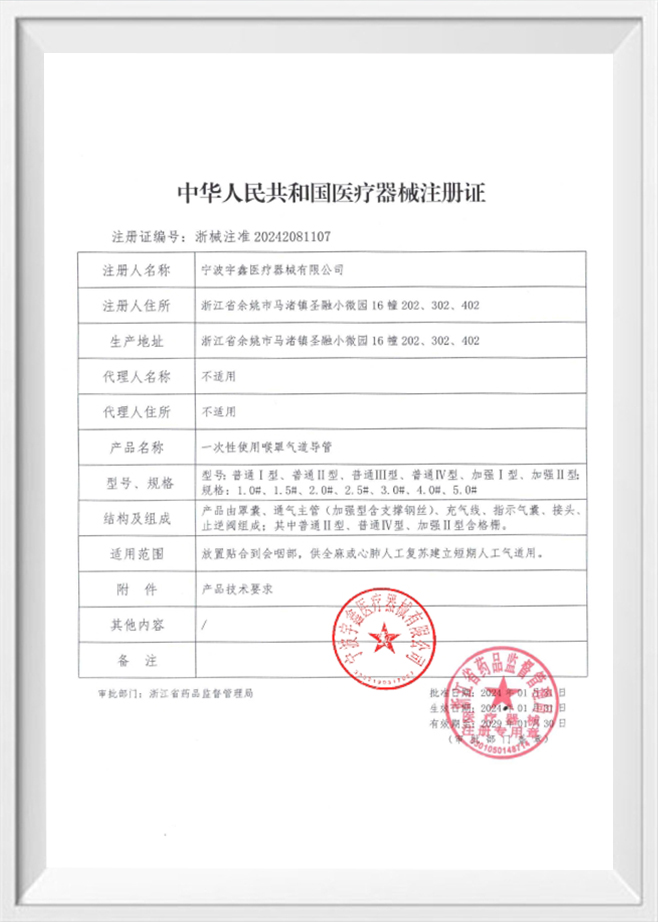
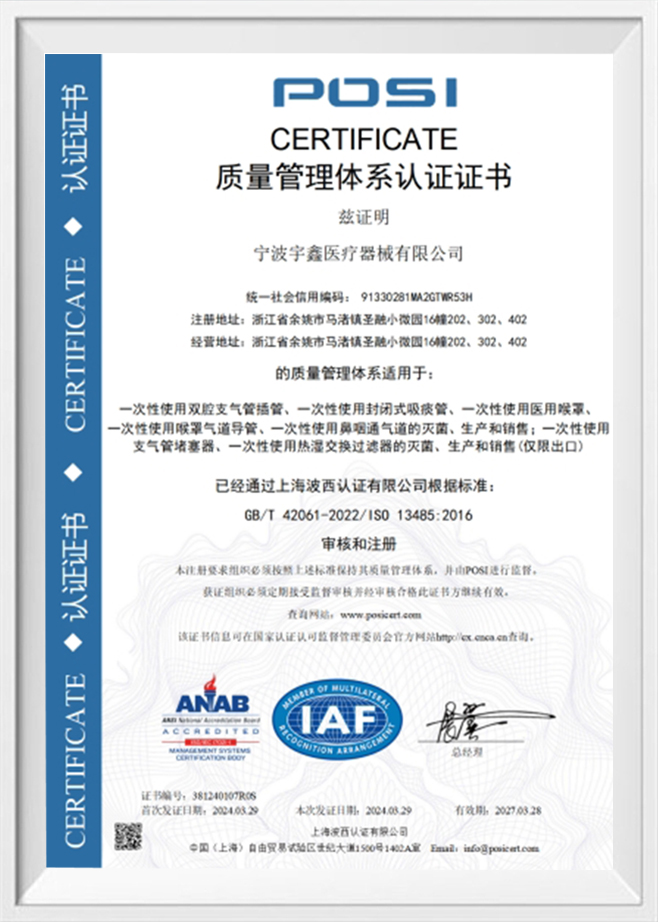
Closed Suction System: Ensuring Safe and Efficient Airway Management A closed suction system allows for continuous airw...
View MoreIntroduction to Uterine Tamponade Balloon A uterine tamponade balloon is a medical device used to manage postpartum hemo...
View MoreOverview of Silicone Reservoirs Silicone reservoirs are widely used in various industries for storing liquids due to the...
View MoreRelationship Between the Ventilator and the Breathing Circuit The breathing circuit functions as the physical connection...
View MoreClinical Context of Uterine Tamponade Balloons in Prolonged Use Uterine tamponade balloons are widely applied in obstetr...
View MoreA closed suction catheter is a key device in respiratory care, primarily used for patients who require mechanical ventilation. One of the primary benefits of using this device is the enhanced safety it provides. Traditional suction catheters expose patients to the risk of infection each time they are used, as the catheter is inserted into the airway and removed between uses. In contrast, closed suction catheters feature a sealed system that allows for continuous suction without exposing the patient to external contaminants. This minimizes the risk of infection, particularly in patients with compromised immune systems or those who are critically ill, making it a vital tool in ICU settings. The use of a closed system significantly reduces the chances of nosocomial infections, which are common complications in ventilated patients.
Closed suction catheters offer improved comfort for patients undergoing prolonged mechanical ventilation. These devices allow healthcare providers to perform suctioning without disconnecting the patient from the ventilator. This means that patients do not experience the discomfort of being disconnected, and the overall process is less invasive compared to traditional suction methods. The catheter remains in place, and the suctioning is done through a sealed system, reducing interruptions in ventilation and minimizing patient distress. Furthermore, this method is less time-consuming, which is an advantage for both healthcare providers and patients who need frequent suctioning. The ability to maintain continuous ventilation is particularly beneficial for patients who require constant respiratory support.
During traditional suctioning, disconnection from the ventilator can lead to periods of hypoxia, where the patient’s oxygen levels decrease. These interruptions can be harmful, especially for critically ill patients or those with respiratory distress. A closed suction catheter helps prevent these risks by allowing suctioning to be performed while the patient remains connected to the ventilator. This ensures that the patient’s oxygen levels are maintained during the procedure, preventing dangerous drops in oxygen saturation. The ability to suction without disconnecting the patient ensures a more stable clinical environment, especially in cases where the patient requires constant respiratory monitoring and support.
Closed suction catheters also offer a significant reduction in the risk of airway trauma compared to traditional methods. The design of these catheters ensures that suctioning is performed with minimal force, thus reducing the likelihood of injuring the patient’s airways. This is particularly important for patients with sensitive or already compromised airways, such as those recovering from surgery or those who have chronic respiratory conditions. Additionally, closed suction systems often have features such as soft tips or smooth surfaces, which further reduce the risk of trauma and discomfort during suctioning. By minimizing mechanical irritation, closed suction catheters help prevent complications that may arise from repeated suctioning, such as mucosal damage or bleeding.
Closed suction systems are often preferred in environments where infection control is a top priority, such as intensive care units (ICUs) or during surgeries that require mechanical ventilation. They help healthcare providers comply with stringent infection control protocols by reducing the risk of cross-contamination between the catheter and the patient. The design of these catheters eliminates the need for frequent cleaning of the catheter itself, which is a potential source of contamination in traditional suction systems. Moreover, since the catheter remains closed during use, there is no direct exposure to the environment, which helps reduce the chances of hospital-acquired infections, an important concern in critical care settings.
Another significant benefit of closed suction catheters is the efficiency they offer during suctioning procedures. Unlike traditional methods, which may require multiple attempts or disconnection from the ventilator, the closed system allows for a more streamlined approach. The continuous closed circuit system helps reduce the time spent on each suctioning session, which in turn helps healthcare providers deliver more timely care to other patients. This efficiency is especially important in high-pressure environments like ICUs, where time management and the ability to quickly address patient needs are crucial. The ease of use and quicker procedure times also help reduce the physical strain on medical staff, ensuring that suctioning can be performed with less effort and more precision.
While the initial cost of closed suction catheters may be higher compared to traditional systems, they are considered more cost-effective in the long term due to their ability to reduce complications and prevent the need for additional interventions. By minimizing the risk of infection, reducing hypoxia events, and preventing airway trauma, these devices help lower the overall healthcare costs associated with patient care. They can also reduce the number of hospital stays and readmissions by promoting faster recovery and fewer complications. In addition, the efficiency of the suctioning process and the reduction in procedure times can lead to a more cost-effective use of medical resources, making closed suction catheters a valuable investment for healthcare facilities.
Closed suction catheters, like the ones provided by Ningbo Yuxin Medical Equipment Co., Ltd., can be customized to meet specific patient needs. These catheters come in various sizes and designs to accommodate different airway anatomies, and can be tailored for use in both pediatric and adult patients. Customization ensures that the suction catheter is optimal for the patient's size and condition, which can improve both safety and comfort during use. Additionally, customization may include features such as soft tips or specific lengths to suit the patient’s requirements, further enhancing the overall effectiveness of the device. This flexibility makes closed suction catheters adaptable across a wide range of clinical settings, including those with specialized patient populations.
Q: What are the key advantages of using a closed suction catheter in respiratory care?
A: A closed suction catheter provides several advantages in respiratory care, including reduced risk of infection, enhanced patient safety, and minimal disruption of ventilatory support. The closed system ensures that the catheter remains sealed during use, minimizing the chances of cross-contamination between the patient and the environment. This is particularly beneficial in critical care settings, where patients may be vulnerable to hospital-acquired infections. Additionally, the catheter’s design allows suctioning without disconnecting the patient from the ventilator, preventing disruptions in oxygen supply and reducing the risk of hypoxia.
Q: How does a closed suction catheter improve patient comfort during suctioning procedures?
A: The closed suction catheter enhances patient comfort by maintaining continuous ventilation during the suctioning process. Unlike traditional suction systems that may require the patient to be disconnected from the ventilator, the closed system allows suctioning to occur without interruption. This means patients do not experience the discomfort of being disconnected from respiratory support, which can be especially distressing for those with severe respiratory conditions. The procedure is also quicker and more efficient, reducing the discomfort caused by prolonged suctioning sessions.
Q: How can closed suction catheters help reduce the risk of airway trauma?
A: Closed suction catheters are designed to minimize the risk of airway trauma by employing a soft, smooth tip and minimizing the mechanical force required for suctioning. This design helps reduce irritation or injury to the mucosal lining of the airway, which is a common concern during traditional suction procedures. In critically ill patients or those with sensitive airways, such as after surgery or in cases of chronic respiratory conditions, closed suction catheters can help prevent complications like bleeding or inflammation caused by repeated suctioning.
Q: What role does the closed suction catheter play in infection control?
A: The closed suction catheter plays a critical role in infection control by reducing the risk of exposure to external contaminants. Traditional suctioning methods involve inserting and removing the catheter, which can introduce pathogens into the airway and increase the risk of hospital-acquired infections. With a closed system, the catheter remains sealed during use, ensuring that no external pathogens come into contact with the patient’s airway. This design helps healthcare facilities adhere to strict infection control guidelines, particularly in high-risk areas like intensive care units (ICUs) or during surgeries requiring mechanical ventilation.
Q: Can closed suction catheters be used for both adult and pediatric patients?
A: Yes, closed suction catheters can be customized to suit both adult and pediatric patients. These catheters come in a variety of sizes and designs to accommodate different patient populations. For pediatric patients, smaller-sized catheters with softer tips are often used to ensure comfort and safety. The versatility of closed suction catheters makes them suitable for a wide range of patients, from infants to adults, ensuring that they meet the specific airway management needs of each patient.
Q: How does the use of a closed suction catheter impact the overall efficiency of respiratory care?
A: The use of a closed suction catheter significantly enhances the efficiency of respiratory care by streamlining the suctioning process. Since patients do not need to be disconnected from the ventilator, healthcare providers can perform suctioning more quickly and with less disruption. This allows for more frequent and effective suctioning, which can be crucial in critical care situations. Additionally, the time saved by using a closed system can lead to better utilization of healthcare resources and improved workflow in busy healthcare environments, such as intensive care units or emergency departments.
Q: Are closed suction catheters more cost-effective compared to traditional suction systems?
A: Although closed suction catheters may have a higher initial cost, they can be more cost-effective in the long term due to their ability to reduce complications, infections, and other healthcare-related costs. The closed system reduces the risk of infection, which can lead to fewer readmissions and shorter hospital stays. Additionally, the efficiency of the suctioning process and the ability to maintain continuous ventilation can help reduce the need for additional medical interventions. Overall, these benefits contribute to cost savings by improving patient outcomes and reducing the length of care.

Building 16, Shengrong Microenterprise Park, Mazhu Town, Yuyao City, Zhejiang Province, China

Tel: +86-0574-66668898

E-mail: [email protected]
Copyright ? Ningbo Yuxin Medical Equipment Co., Ltd., All Rights Reserved.
 OEM Closed Suction Catheter Manufacturers
The information provided on this website is intended for use only in countries and jurisdictions outside of the People's Republic of China.